


Nights He Couldn’t Breathe, Days He Couldn’t Focus
For four to five years, Saket’s nights were not restful. He would lie down and within minutes feel the familiar resistance — air pushing against a wall it couldn’t quite get through. A deviated septum and enlarged turbinates had quietly narrowed his nasal airway to the point where proper breathing had become something he had to work at, even in sleep. By morning, he wasn’t refreshed. He was tired before the day had started.
The fatigue followed him to work. Concentration came harder than it should have, and the kind of focus that a full night’s sleep normally provides stayed just out of reach. He had grown so accustomed to this state that it had become his baseline — not good, but familiar enough to keep living with.
There was something else, too. Beyond the breathing, Saket had a picture in his mind of how his nose could look. Sharper. More defined. He had carried that image for a long time, quietly, the way people hold onto things they aren’t sure they’re allowed to want. When he finally began to seriously consider surgery, two concerns surfaced immediately: would there be visible scars, and would the result actually match what he had always imagined?
Those questions kept him from acting sooner. But eventually, four to five years of disrupted sleep and diminishing focus made the decision for him. Something had to change.
The Morning Everything Was Different
The first thing Saket noticed after surgery was the air. It moved. Freely, without the old resistance — immediately, even before the swelling had fully settled. That early relief continued to deepen in the weeks that followed as the post-operative swelling gradually resolved, and with each passing day, breathing became a little easier still.
Recovery took about a month in total, with comfort increasing steadily throughout. But the sleep changed almost right away. He woke up rested in a way he hadn’t in years. The fatigue that had shadowed his mornings — that dull, accumulated tiredness from nights of strained breathing — began to lift. His energy at work followed.
“My health also improved so much.”
It was a simple thing to say, and it covered a great deal. Better sleep. Less fatigue. The ability to concentrate through a full working day without that low-grade depletion pulling at him. And when he looked in the mirror, the nose he saw was the one he had always pictured — sharper, more defined, with no visible scarring to speak of. The result aligned with the image he had held in his mind for years. That alignment mattered more than he had expected it to.
He felt it when meeting colleagues. He felt it out socially. There was an ease to those interactions now that had quietly been missing before, and it came from both things at once — from breathing properly and from seeing himself the way he had always wanted to.
Rhinoplasty — Before & After
The nose Saket pictured for years, alongside the one he lived with — before surgery and after recovery, across every angle.
Before
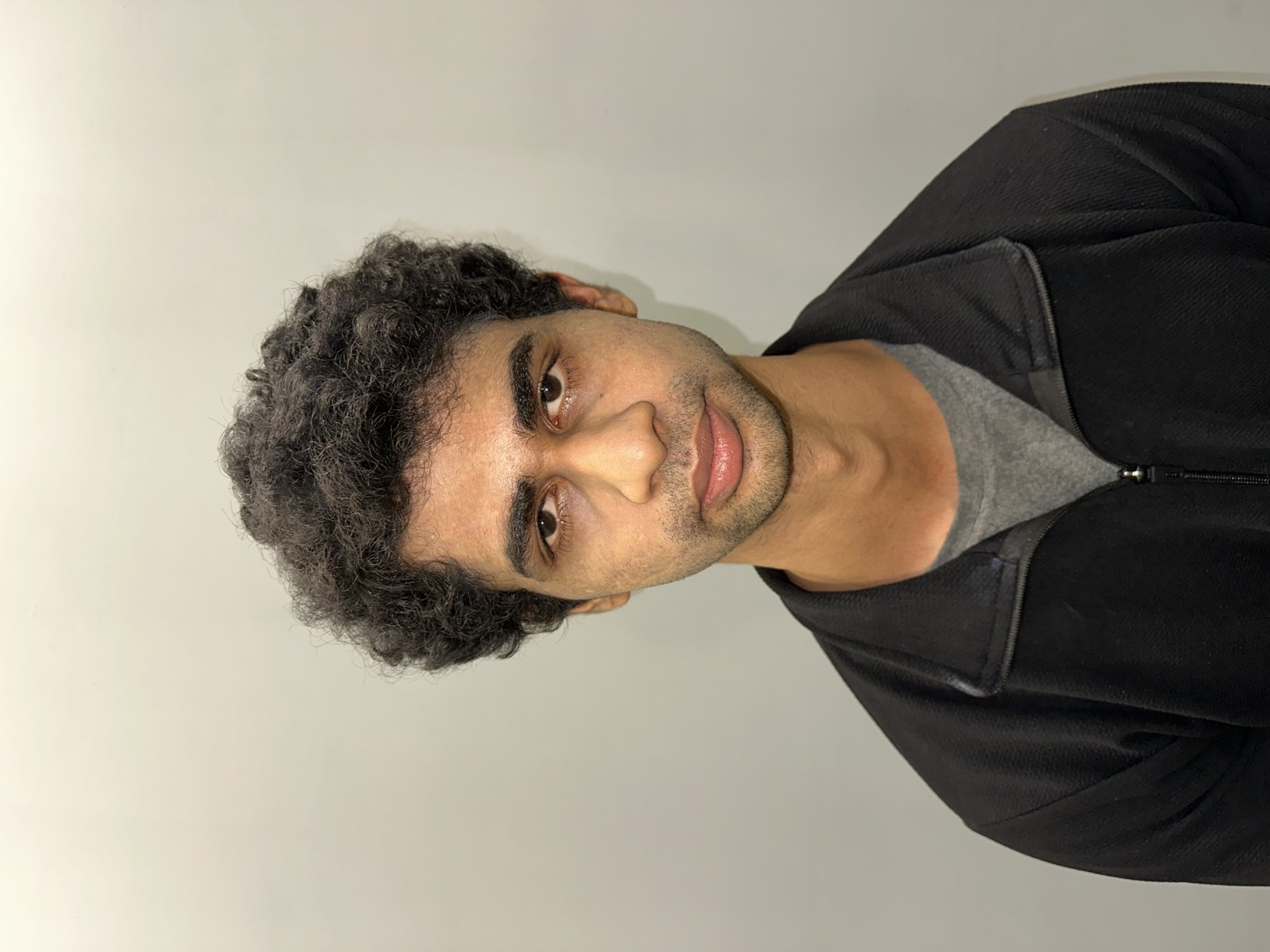 Before
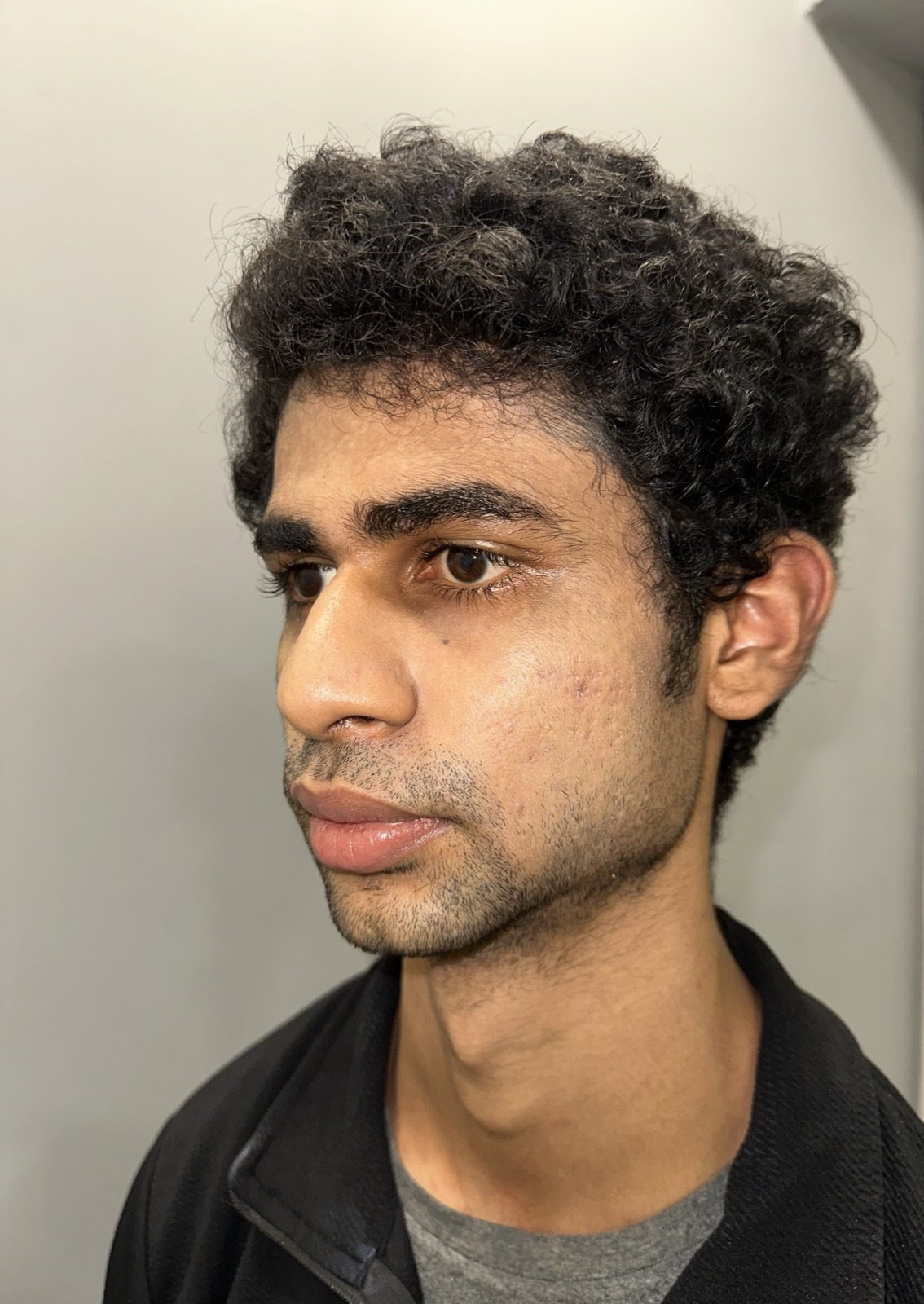 Before
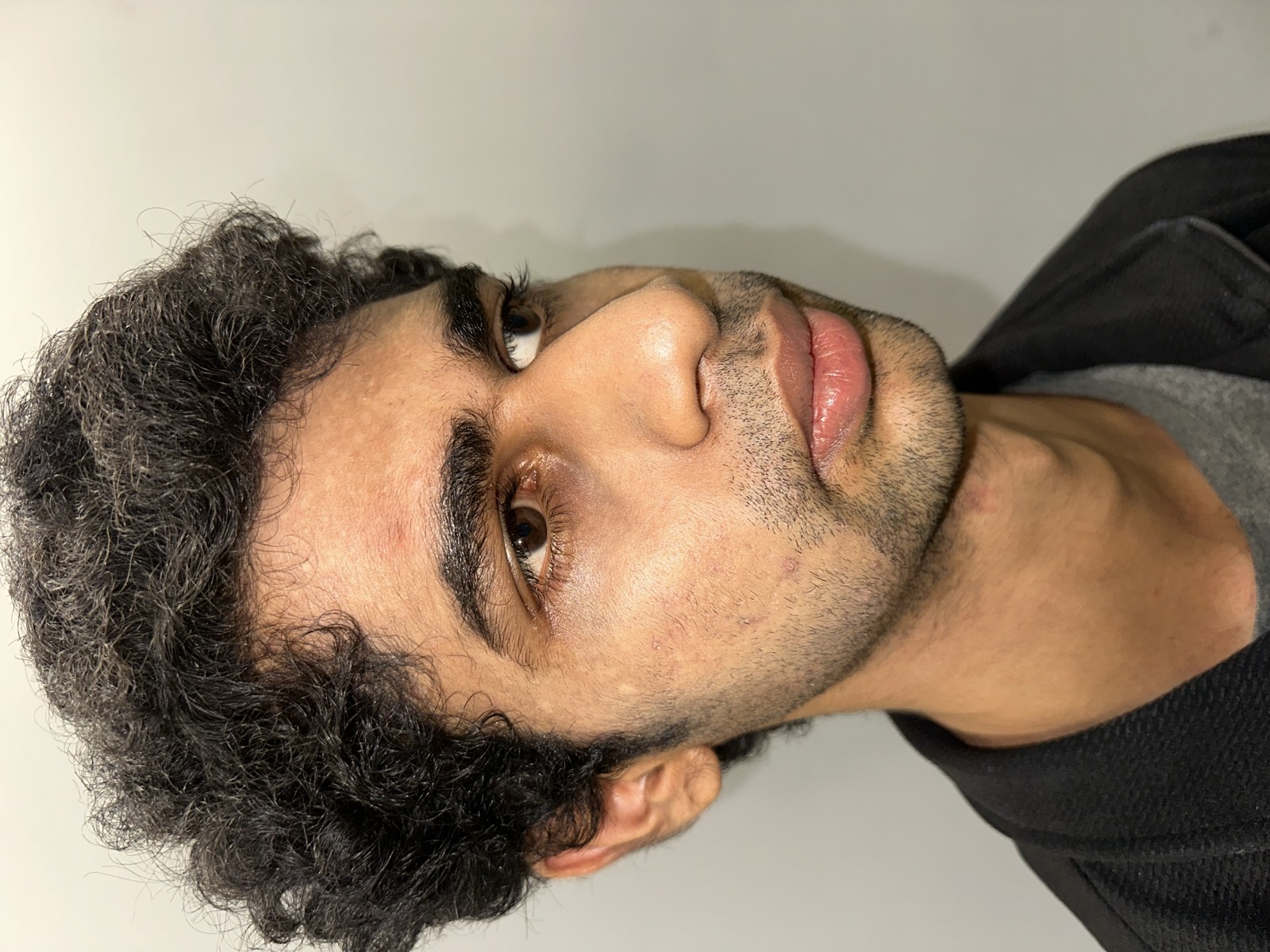 Before
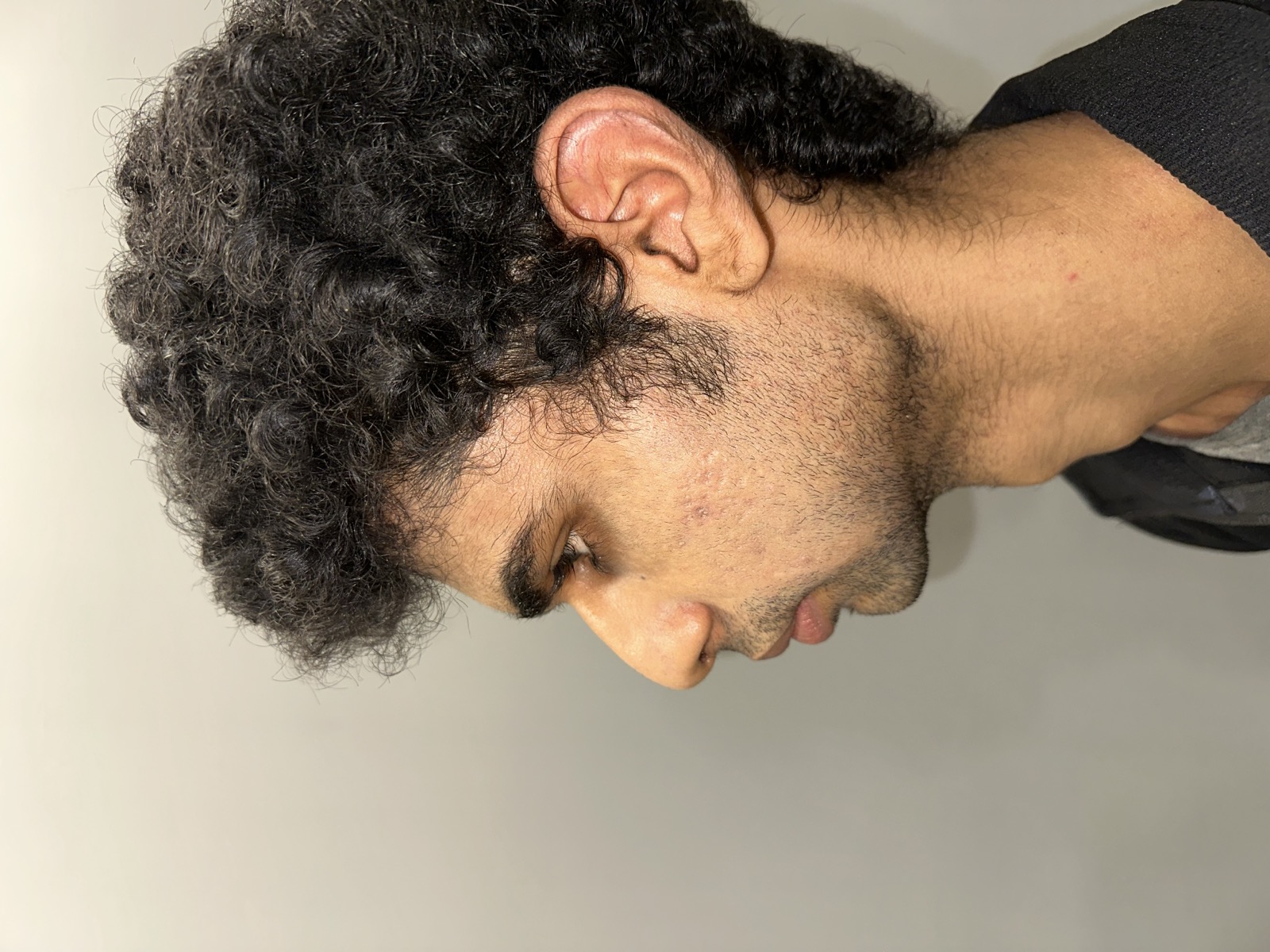 Before
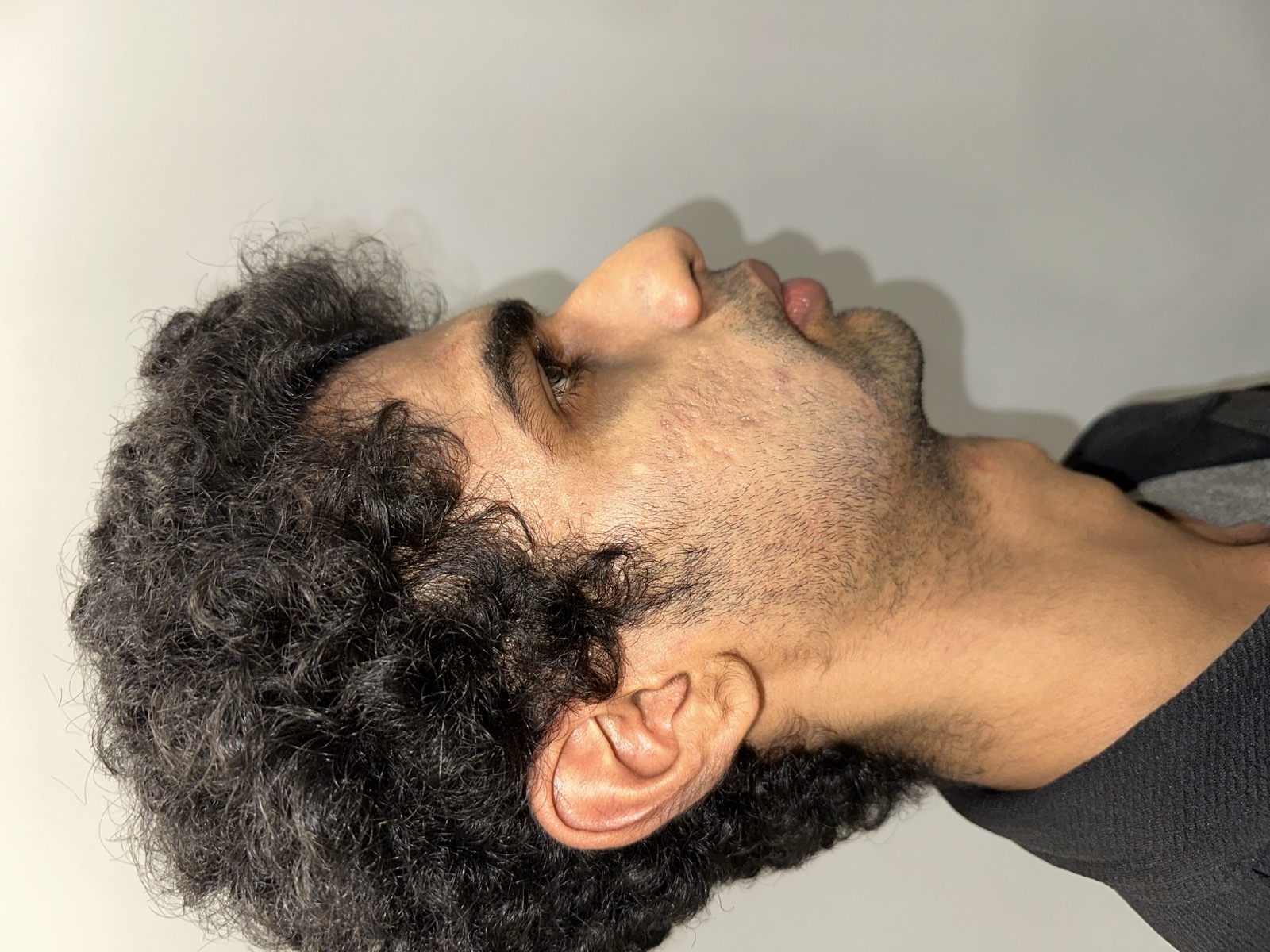 Before
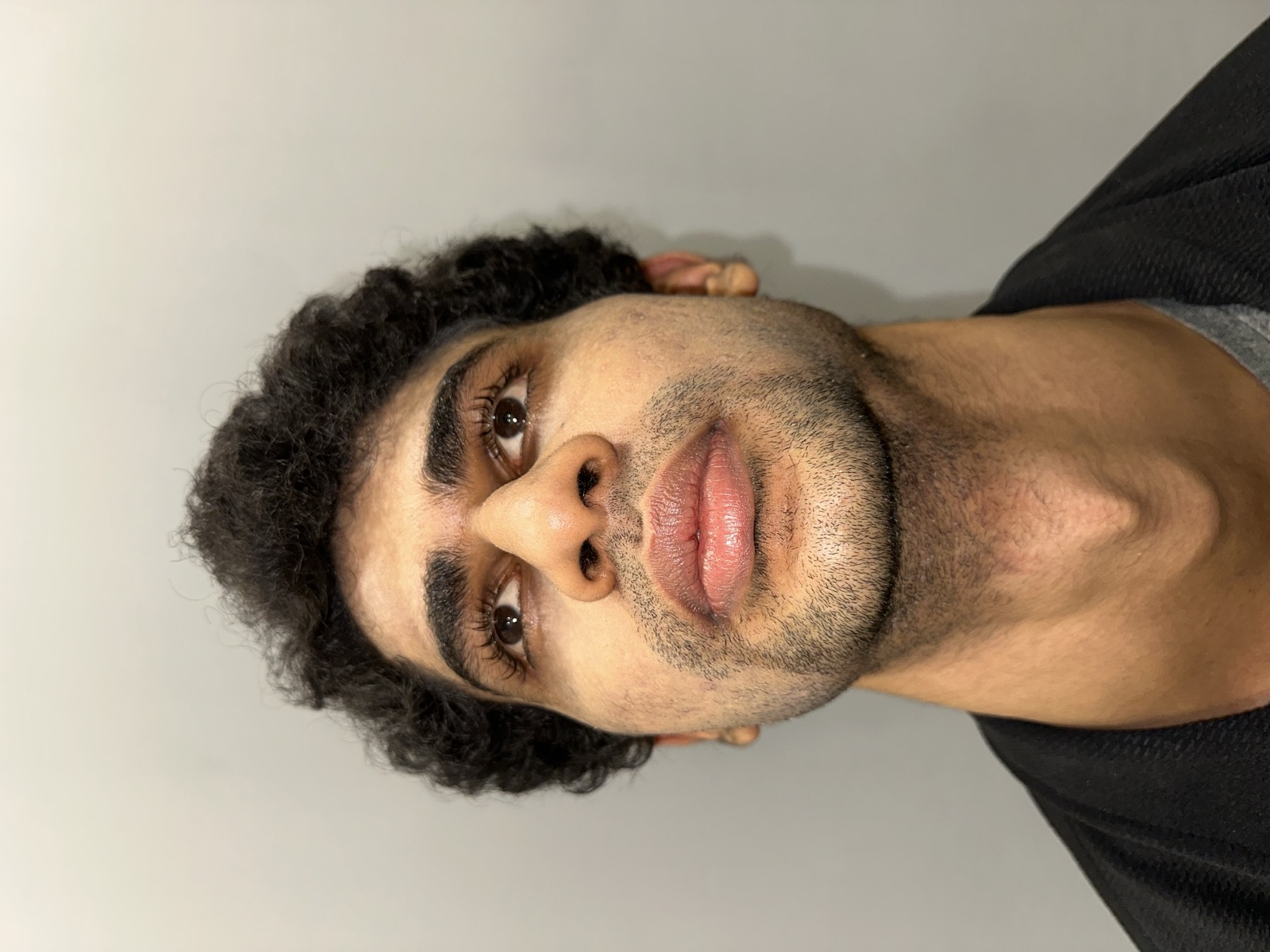 Before
After
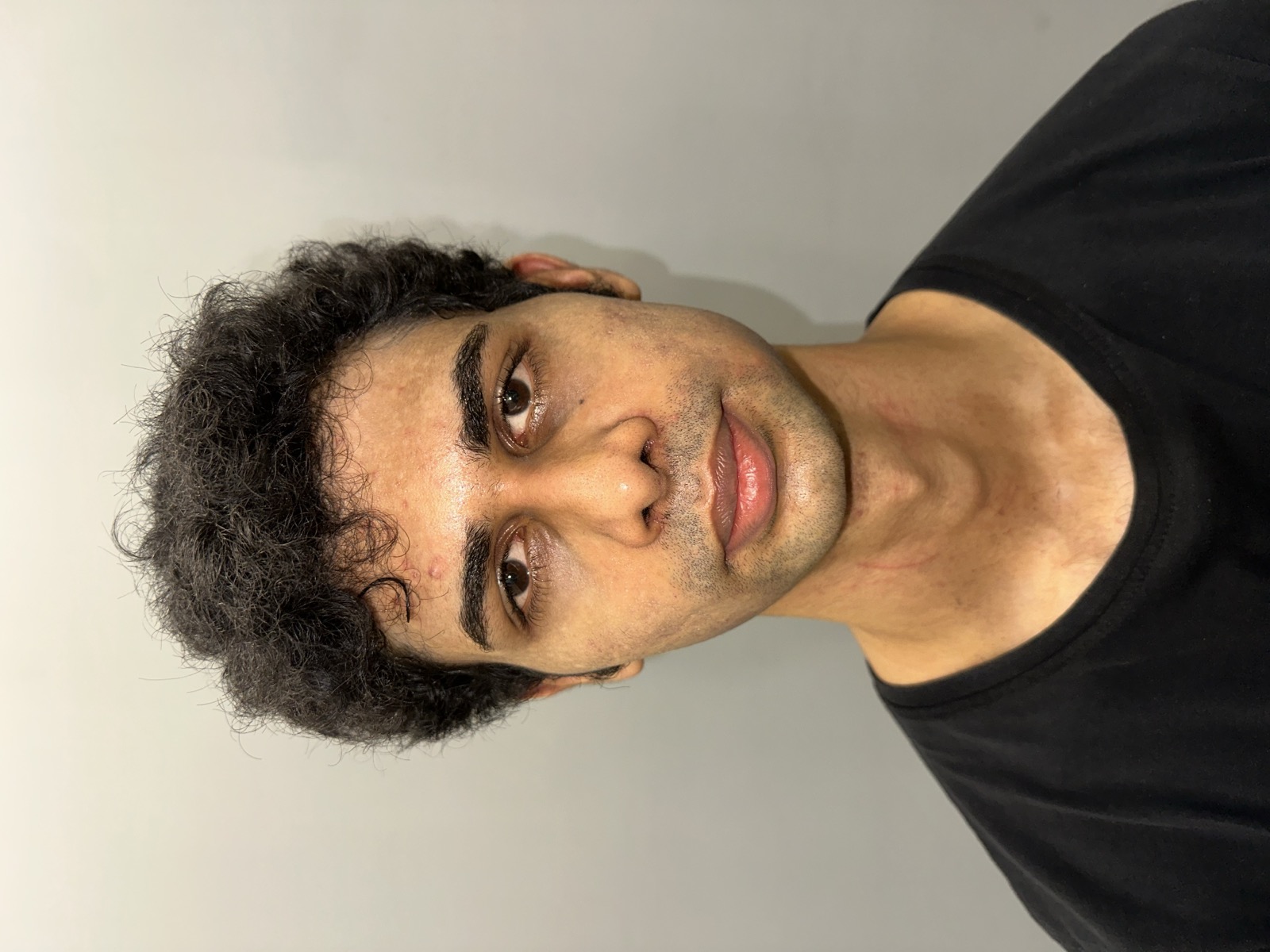 After
After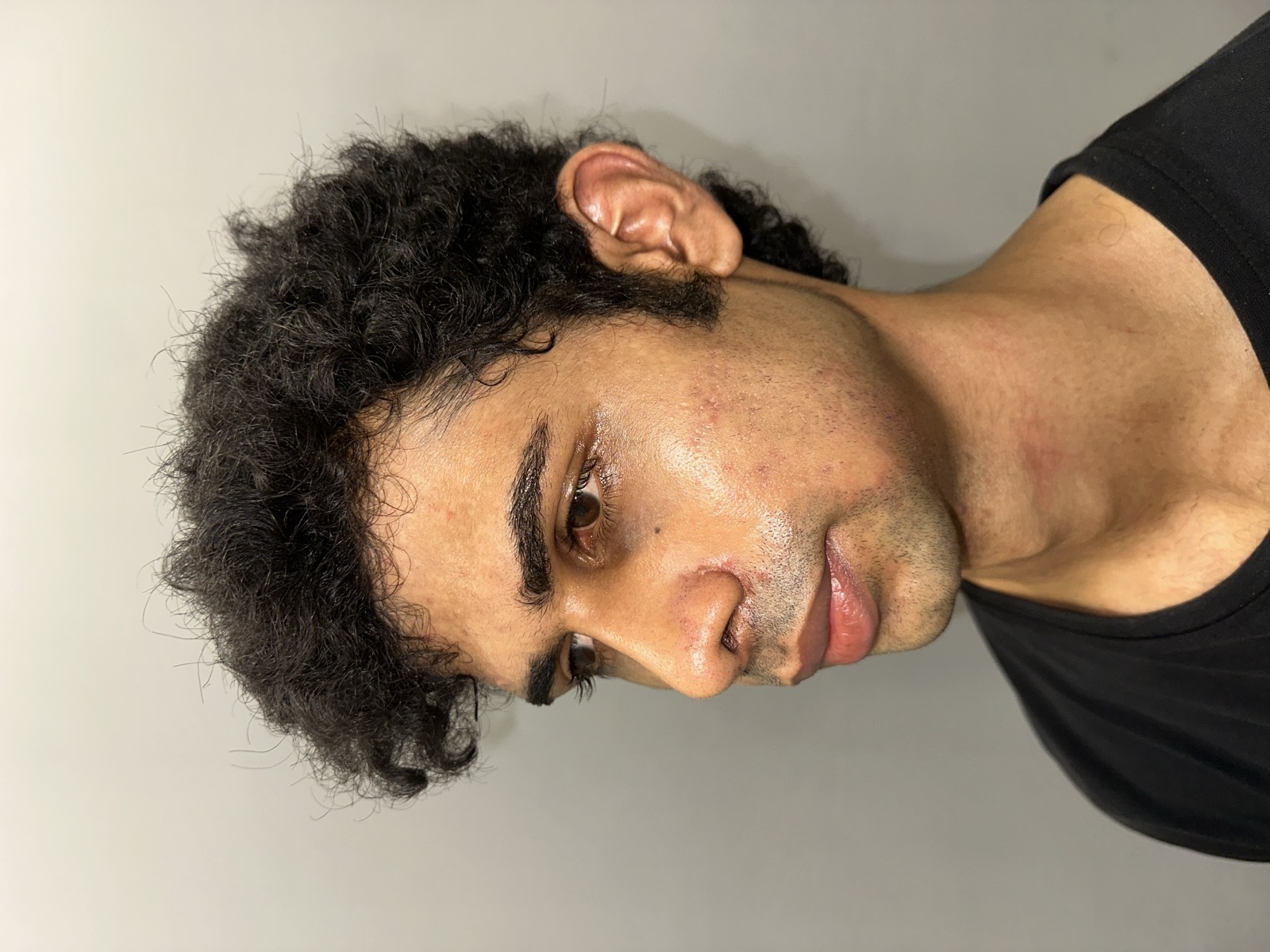 After
After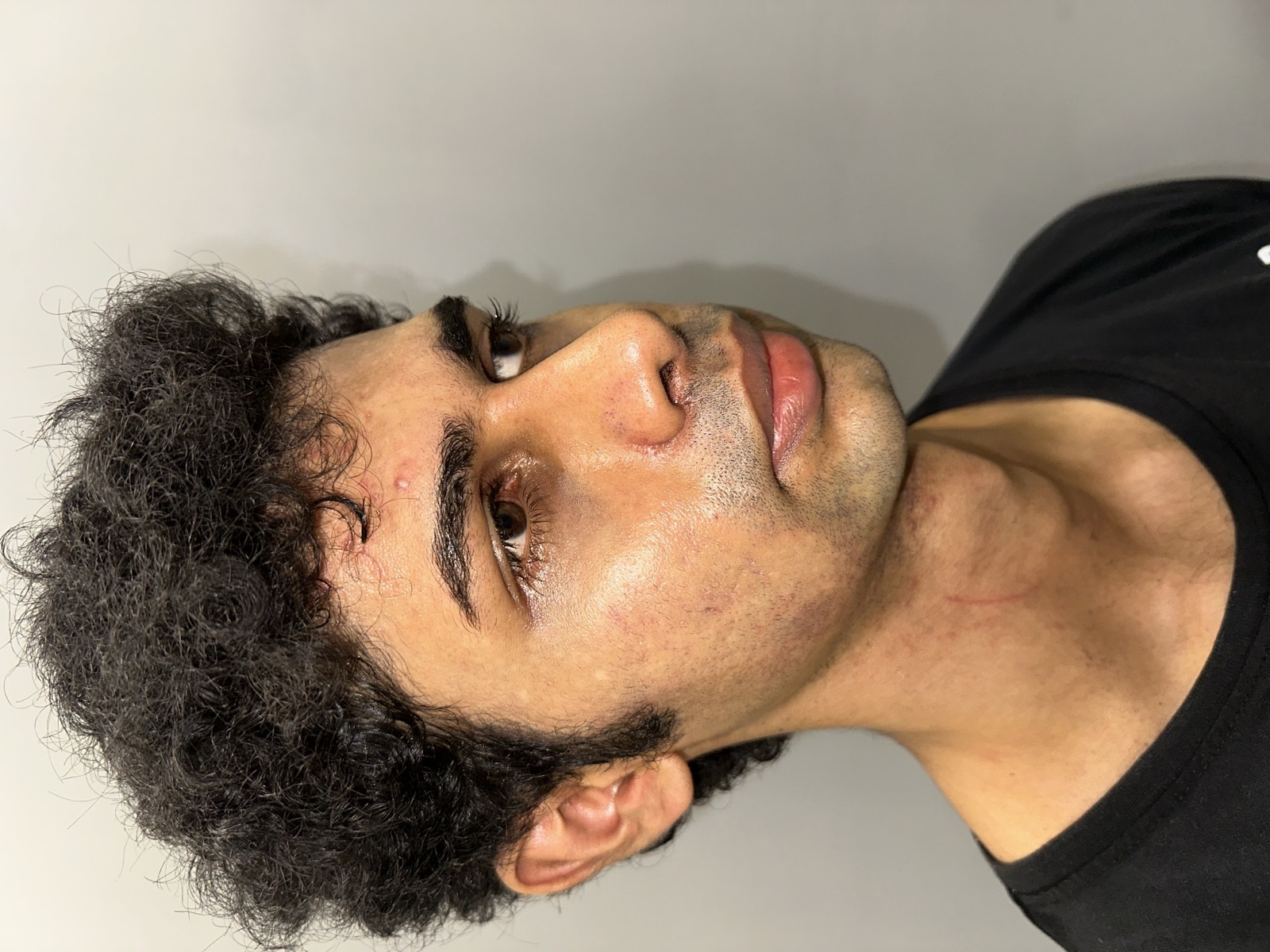 After
After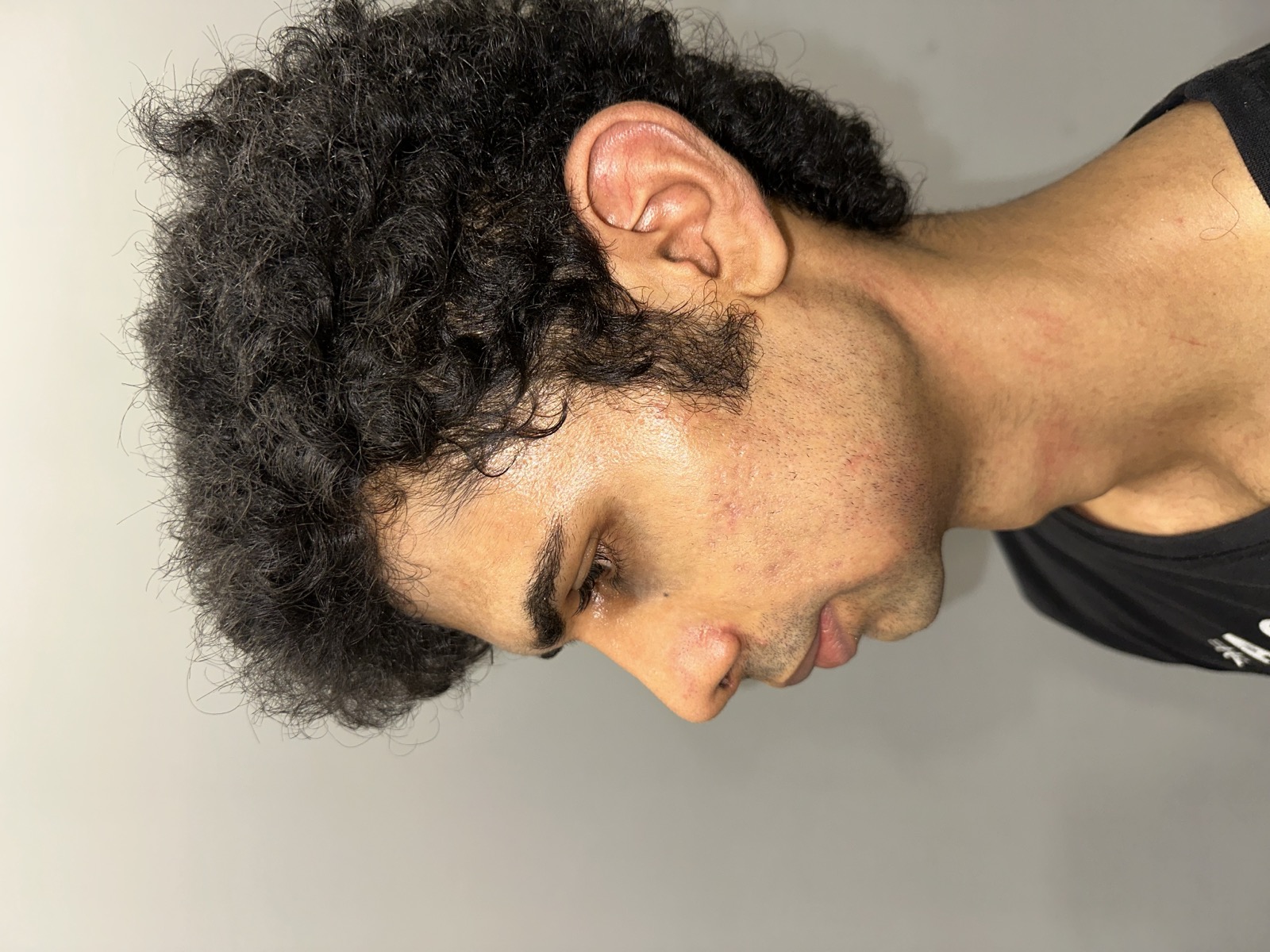 After
After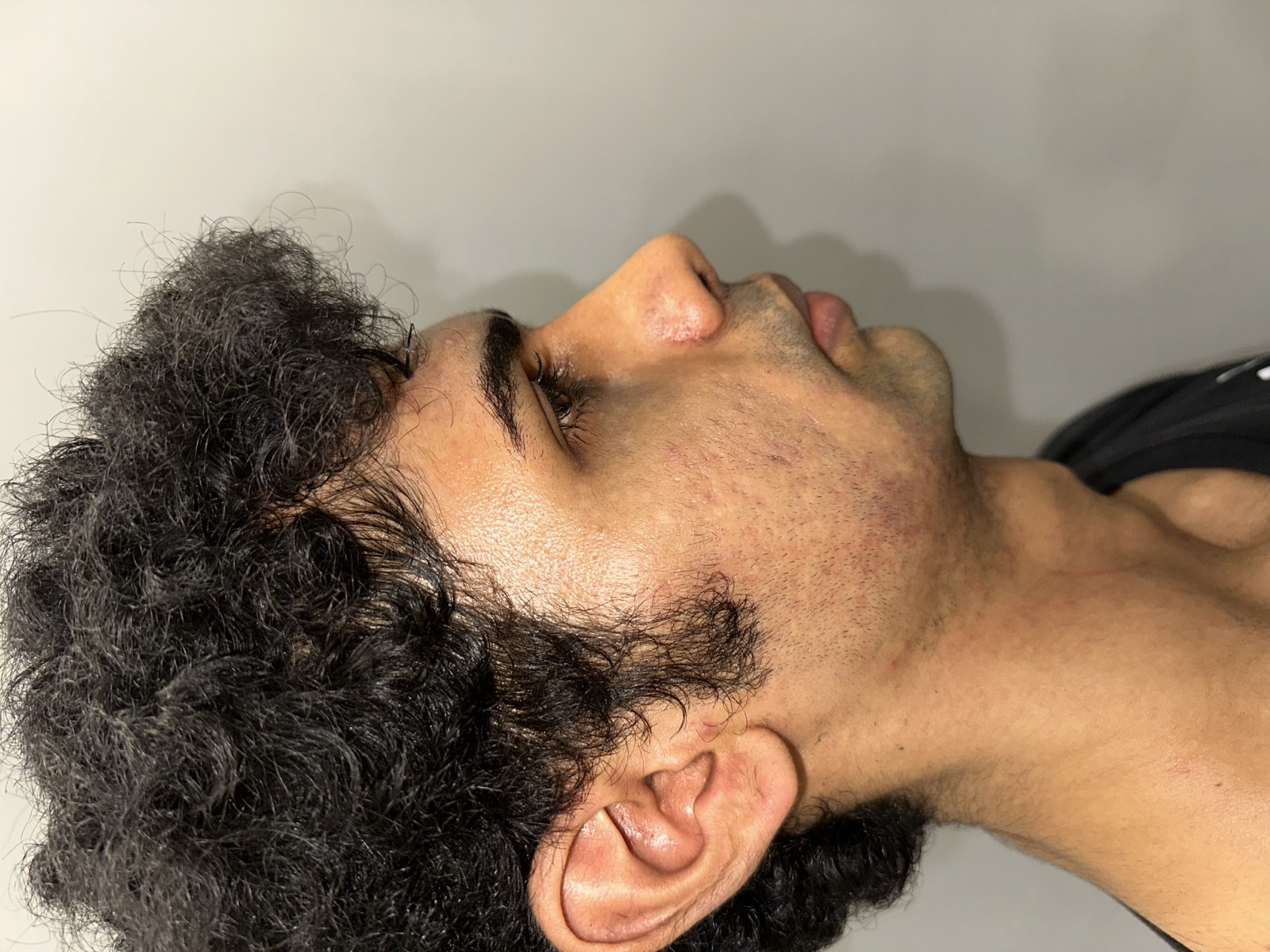 After
After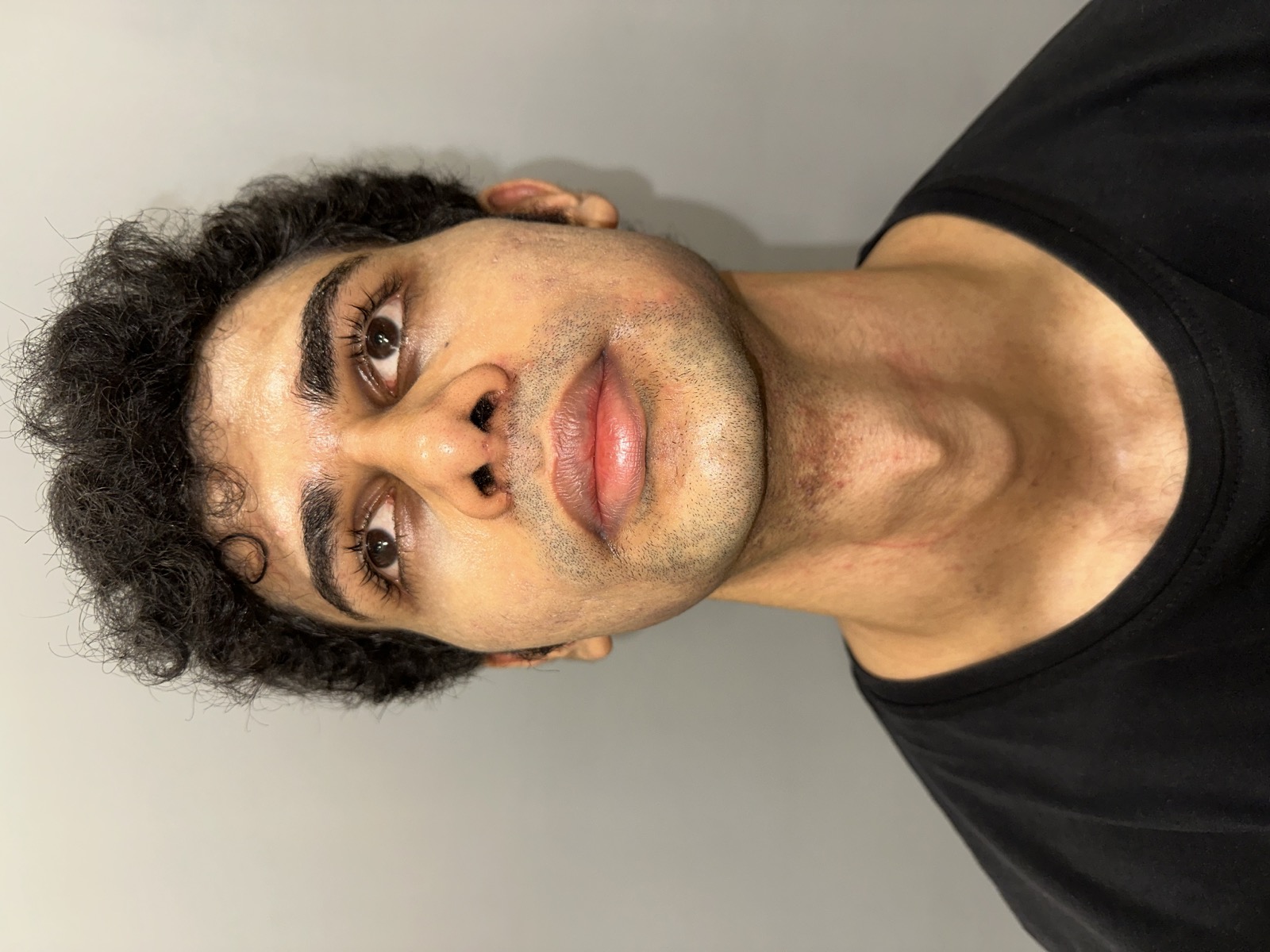 After
AfterPhotographs published with the patient's consent. Individual results vary depending on anatomy, the extent of correction required, and healing.
From Online Research to the Operating Table
Saket didn’t arrive at Dr. Anjali Saple’s clinic by chance. He had spent time researching his options online, reading about rhinoplasty, trying to understand what the procedure could realistically address and what it couldn’t. A referral from another doctor eventually pointed him toward Dr. Saple specifically — a combination of due diligence and a trusted recommendation.
When he came in for his consultation, his concerns were specific. He wanted to know exactly what the surgery would do to the external appearance of his nose. Would there be scars? Would the reshaping be noticeably sharper, or would the result be subtle to the point of invisibility? These were the questions he needed answered before he could commit, and the consultation gave him the space to ask them fully.
The procedure that followed addressed everything at once. Septal correction straightened the misaligned nasal septum that had been obstructing his airflow for years. Turbinate reduction brought the enlarged turbinates down to a size that no longer blocked the nasal passage. And aesthetic nasal reshaping — performed concurrently — gave the external nose the sharper profile Saket had always envisioned, without any visible scarring.
It was the combination that made the outcome feel complete. Patients with both functional and cosmetic concerns about their nose sometimes assume they must prioritise one over the other — that they can fix the breathing or address the appearance, but not both in a single procedure. Saket’s case was a straightforward example of why that assumption isn’t always true. The structural corrections and the aesthetic reshaping were done together, and the results addressed both dimensions simultaneously.
“The post result was so good that I’m able to breathe now as well as they tried to reshape my nose, which also brought back my confidence.”
He had walked in carrying two concerns — one functional, one deeply personal. He left with both resolved. As the swelling settled over the weeks that followed and the full result revealed itself, the nose in the mirror matched the one he had carried in his imagination for years. “Now I’m feeling much better and looking much better compared to my past,” he said — and in those two directions, better and looking better, the whole story was told.