


A Man Who Breathed, Worked, and Never Quite Forgot What He Wished He Could Change
Saket was, in most ways, getting on with life just fine. He showed up to work, managed his days, and kept moving forward the way most people do — quietly absorbing small discomforts that never quite announced themselves as a crisis. But there was something he had carried with him for a long time: an awareness of his nose. Not an obsession, not a daily torment — just a steady, low-grade wish that it looked a little sharper, a little more like the version of himself he held in his mind. It was the kind of thing most people learn to let go of. Saket hadn’t entirely.
When Sleep Stopped Being Restful and Work Stopped Feeling Easy
The breathing problem crept up gradually, the way chronic conditions tend to. There was no single morning when everything changed — just a slow accumulation of nights that left him less rested than he should have been, and workdays where focus felt harder to hold onto than it used to.
For four to five years, Saket lived with nasal obstruction that disrupted both his sleep and his ability to concentrate at work. He wasn’t dramatically unwell. But he wasn’t well, either. He was fatigued in a way that sleep didn’t fully fix, and distracted in a way that effort alone couldn’t overcome. Something structural was working against him — he just didn’t yet know exactly what.
It was eventually clear enough that he needed to do something. The question was who to trust with it.
Five Years of Obstruction — And the Question He Was Afraid to Ask
When Saket began looking for answers, a combination of online research and a referral from another doctor led him to Dr. Anjali Saple at Divyam Cosmetic and Plastic Surgery in Visakhapatnam. He arrived at the consultation with a specific clinical problem — and a more personal question he wasn’t entirely sure he was allowed to ask.
Dr. Saple’s assessment confirmed what had been quietly undermining Saket’s quality of life for the better part of half a decade: a deviated septum and enlarged turbinates, both contributing to the nasal airway obstruction that had been stealing his sleep and scattering his focus. Together, these two structural issues had narrowed his breathing and worn him down in ways he had gradually accepted as just how things were.
The surgical solution was clear. What Saket needed to raise — the thing he hesitated over — was the question of the outside. He wanted to know whether the surgery would leave visible scarring. And more than that, he wanted to know whether the result could be noticeably sharper. Whether the nose he had always pictured could actually be part of this.
It was, in a small way, a vulnerable thing to bring up. Rhinoplasty is often spoken about in either purely functional or purely aesthetic terms — and Saket was asking about both at once. He was asking whether fixing the problem could also mean becoming, on the outside, a little more like the person he had always imagined himself to be.
The Surgery That Answered Both Questions at Once
Dr. Saple addressed Saket’s concerns directly and without dismissal. Aesthetic goals alongside functional correction are not competing priorities in rhinoplasty — they are, when the surgeon is experienced, a single procedure. She performed a rhinoplasty with septal correction to restore his nasal airflow, combined with turbinate reduction to open the airway further, and aesthetic nasal reshaping to achieve the sharper profile Saket had described.
His biggest pre-surgical worry — visible scarring — proved unfounded. The result was clean, precise, and exactly the kind of outcome that requires a surgeon who has performed hundreds of these procedures and understands how to deliver a natural-looking transformation rather than an obvious one.
Rhinoplasty — Before & After
Before surgery and after recovery, across every angle — the reshaping and the septal correction performed in a single operation.
Before
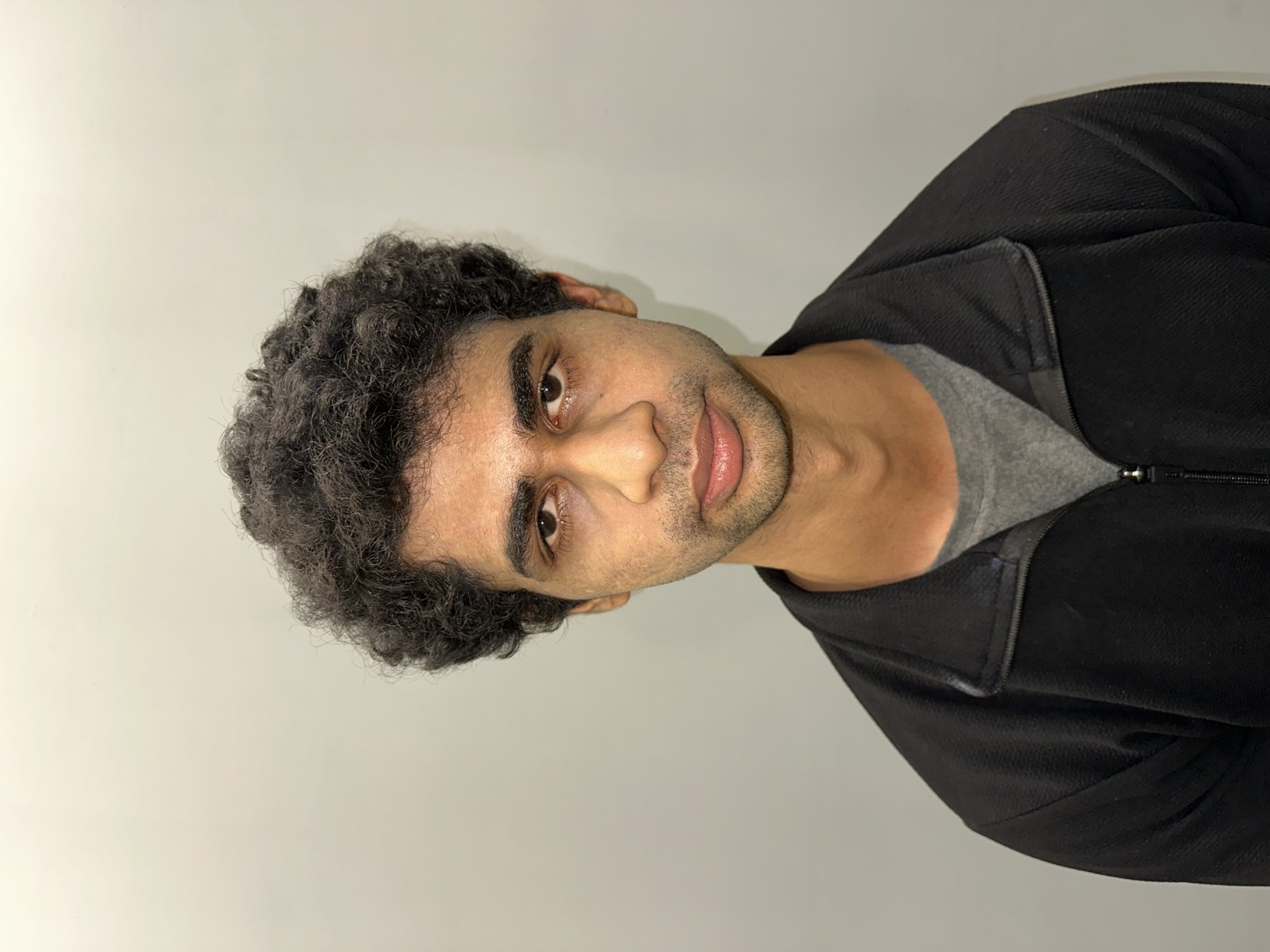 Before
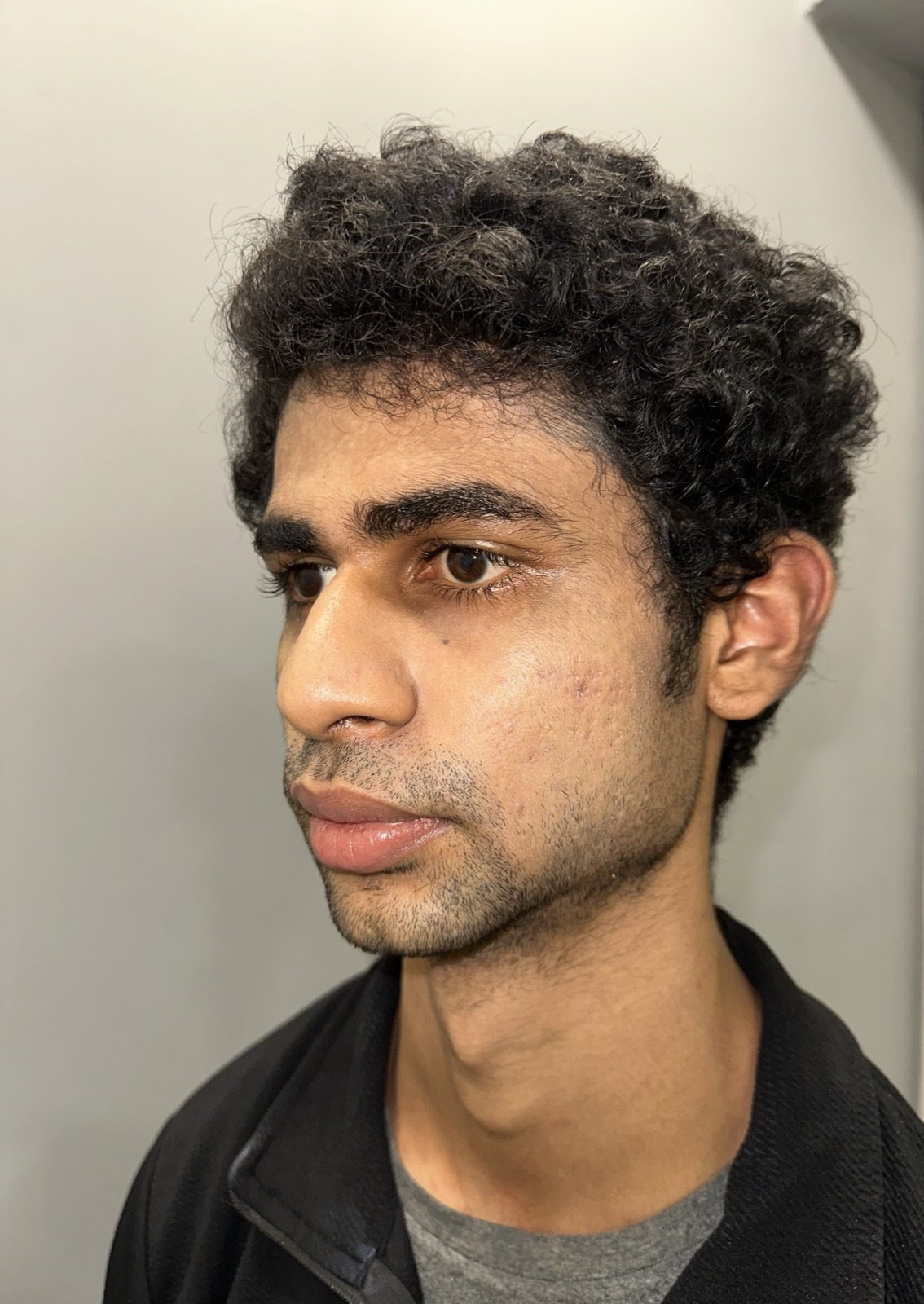 Before
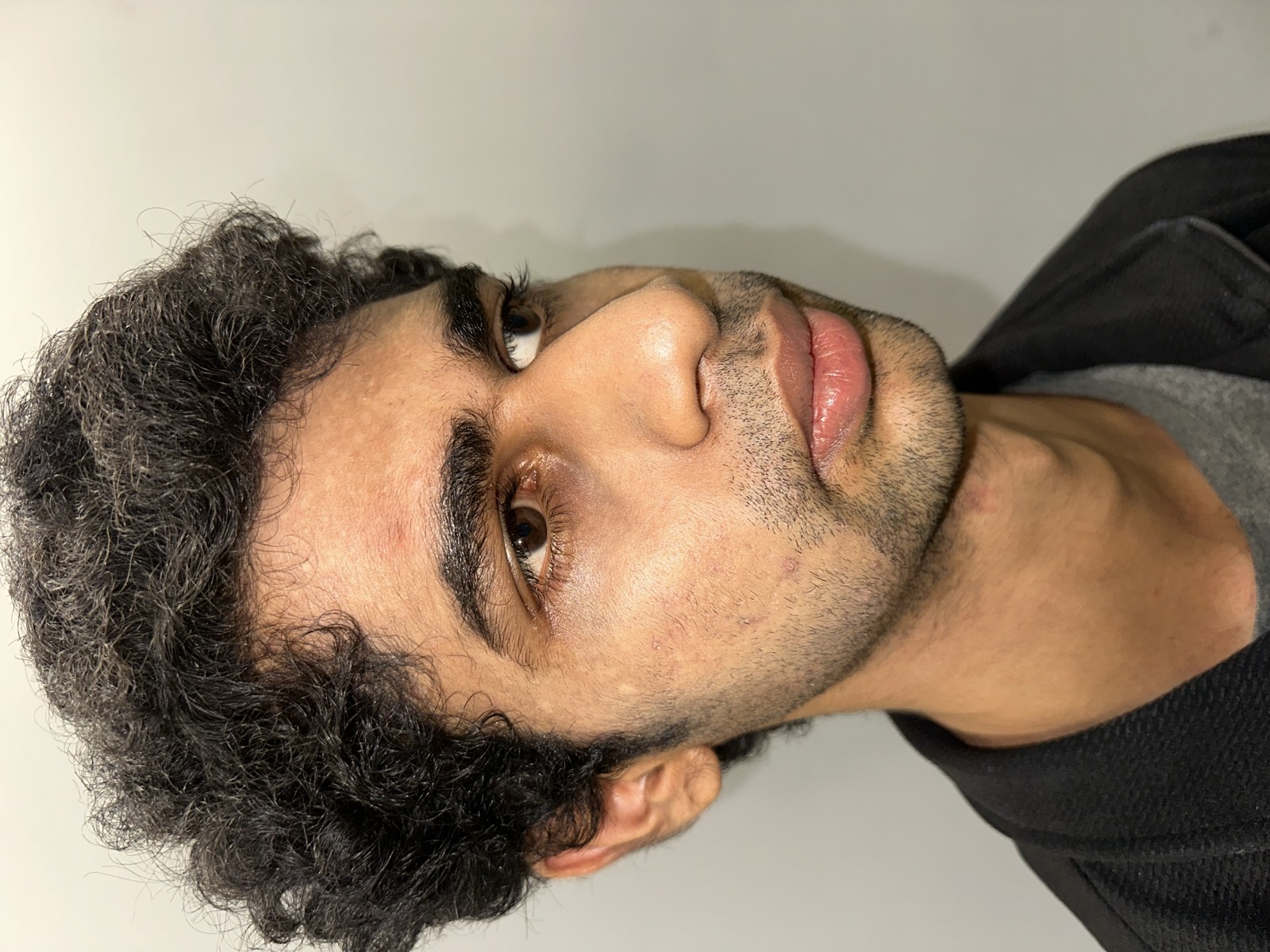 Before
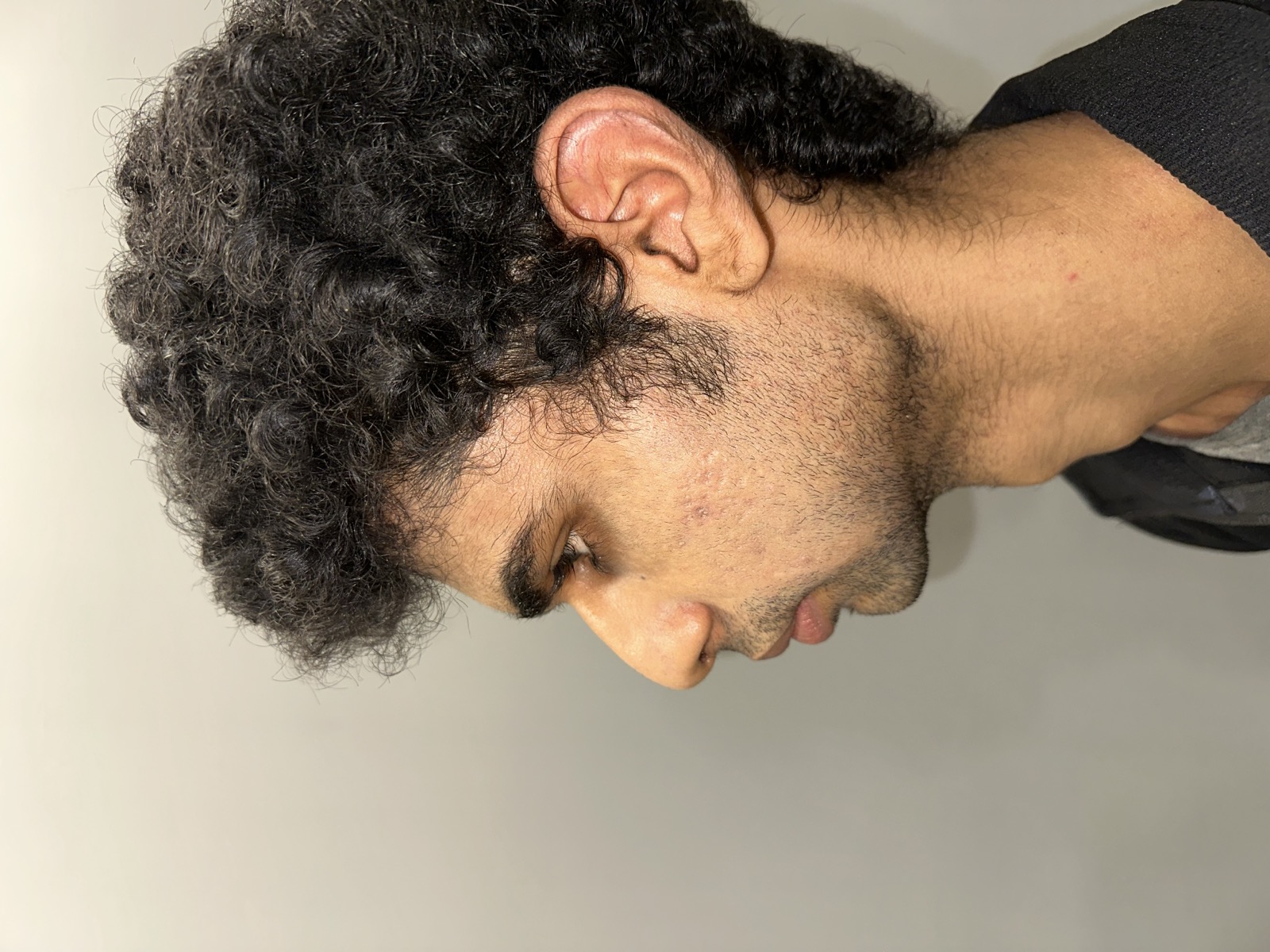 Before
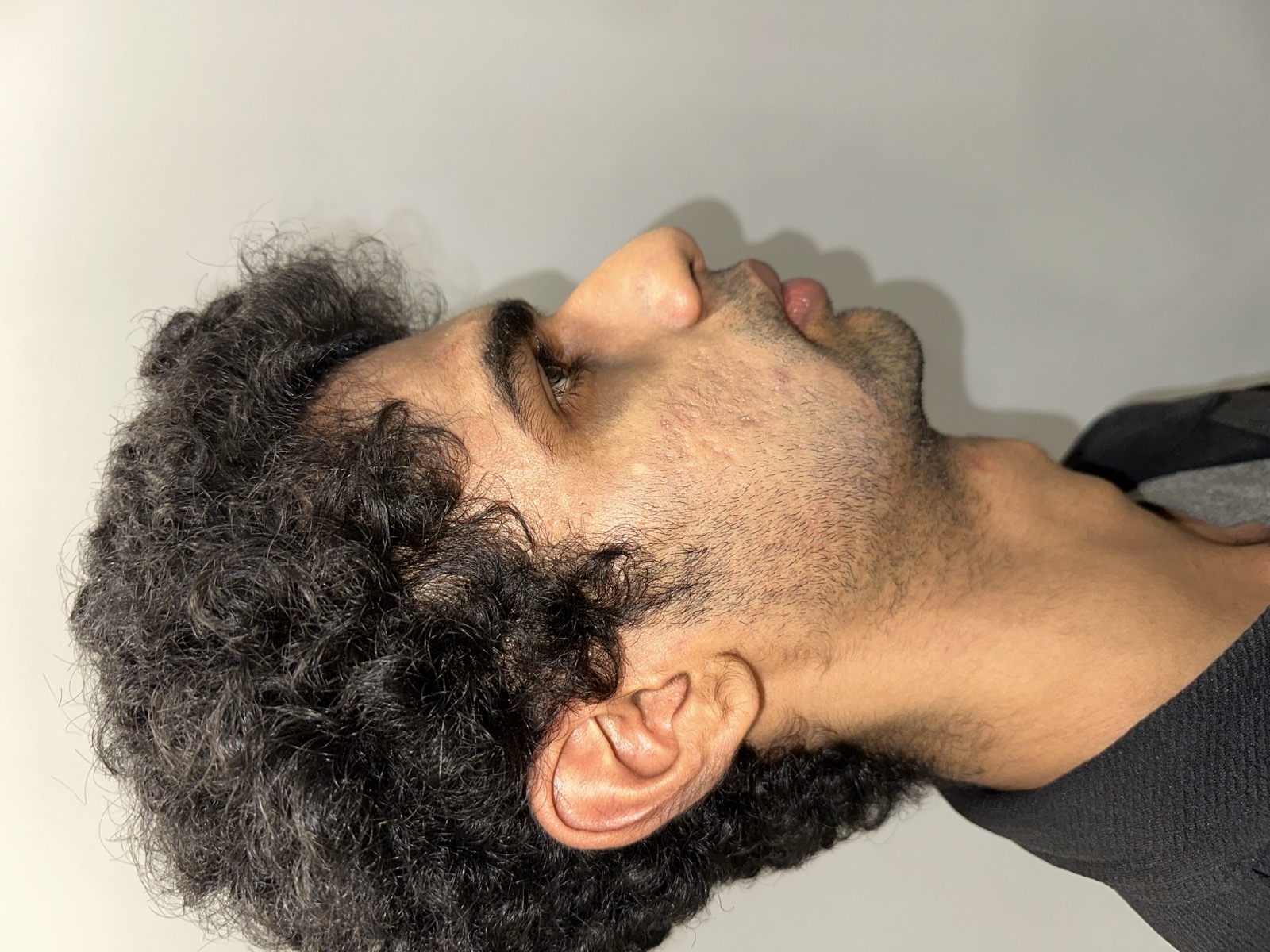 Before
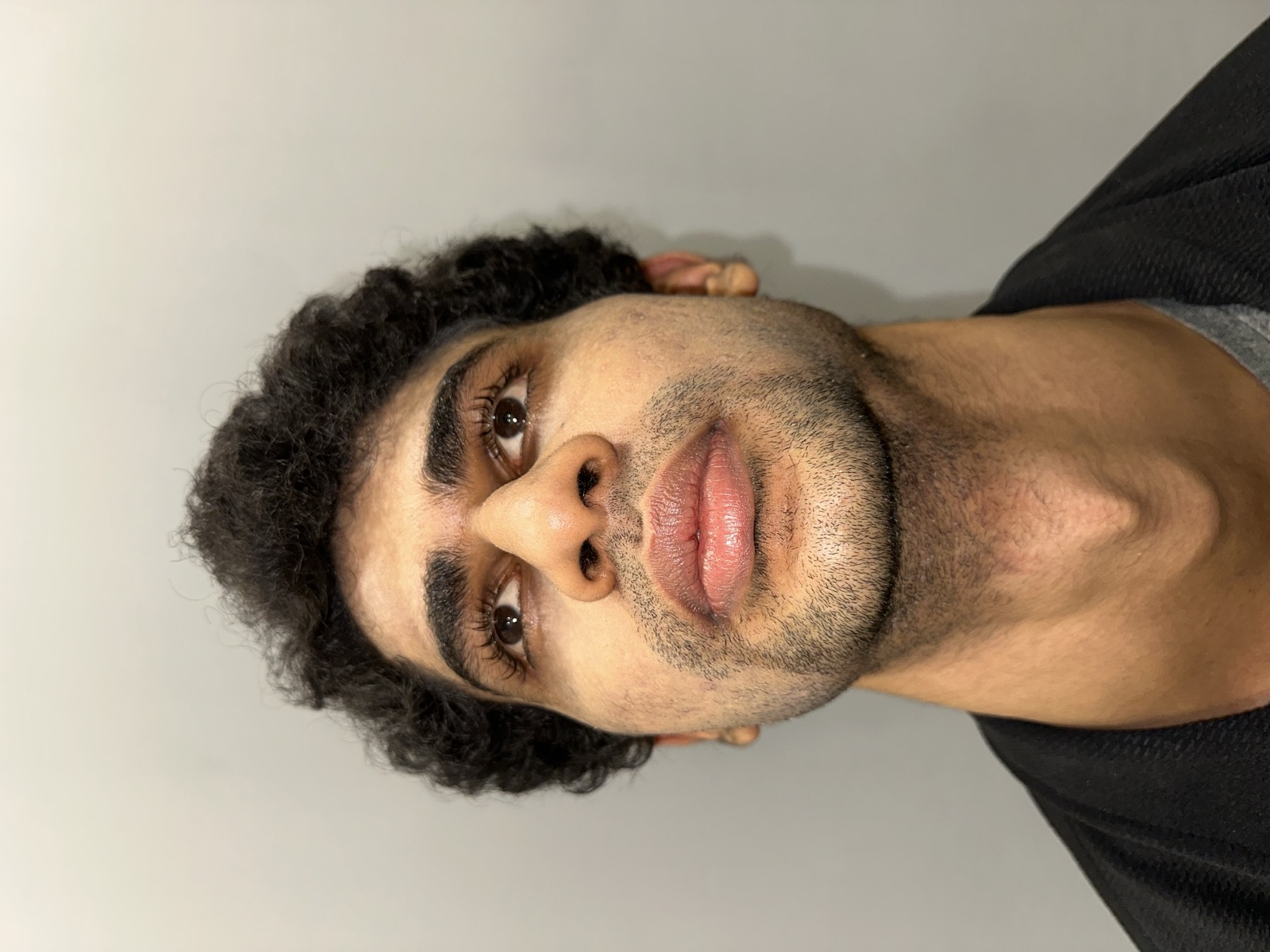 Before
After
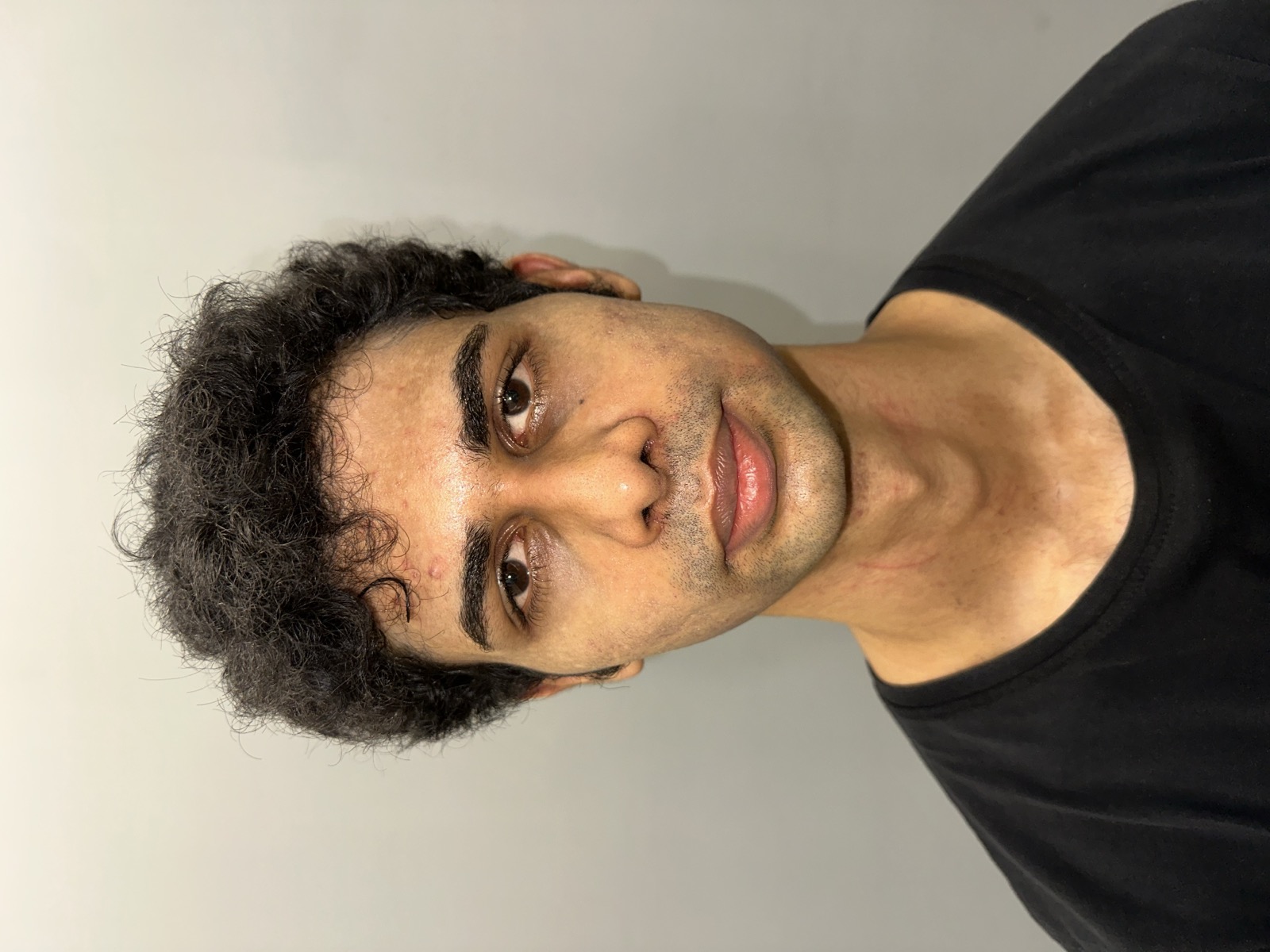 After
After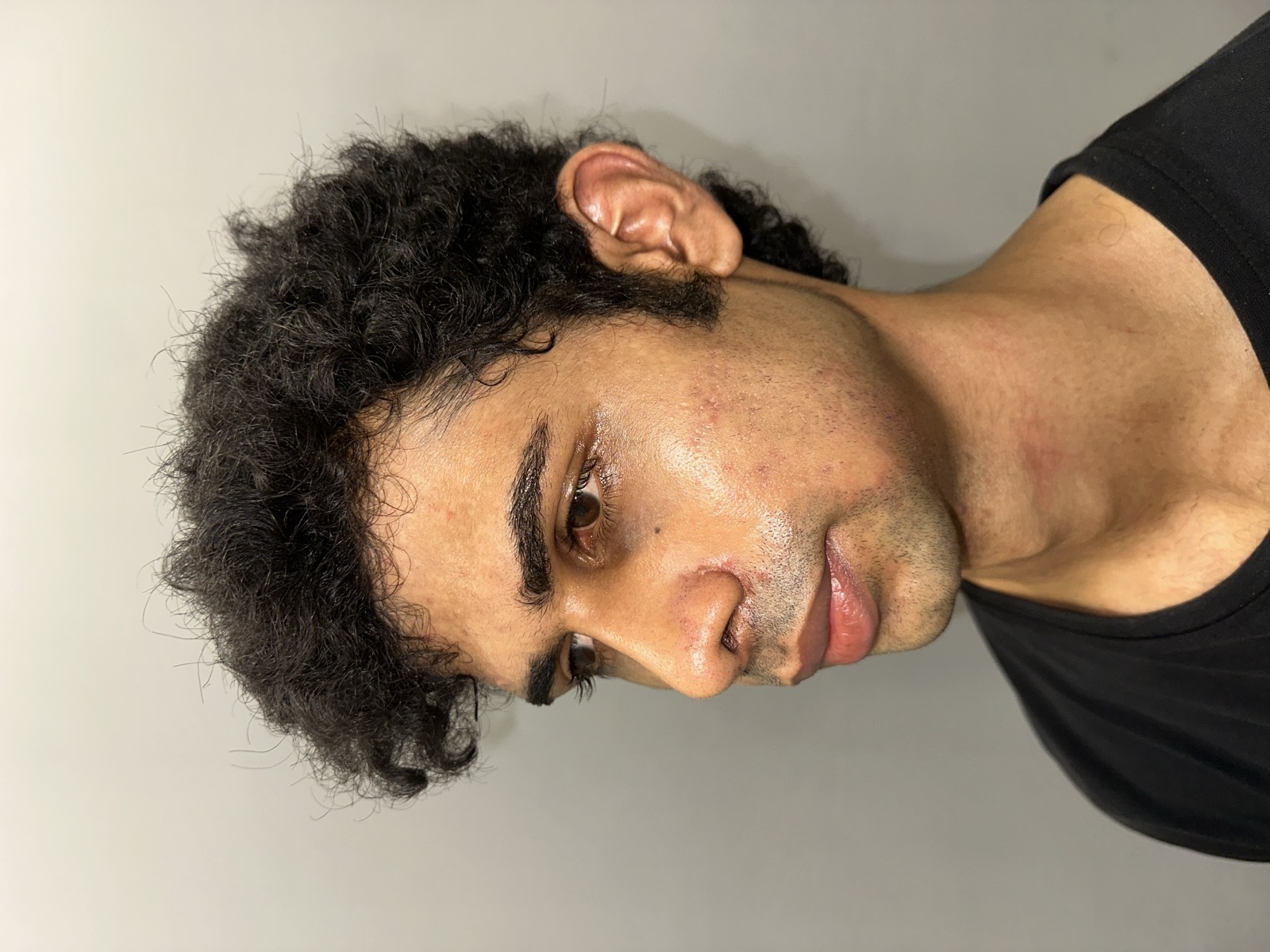 After
After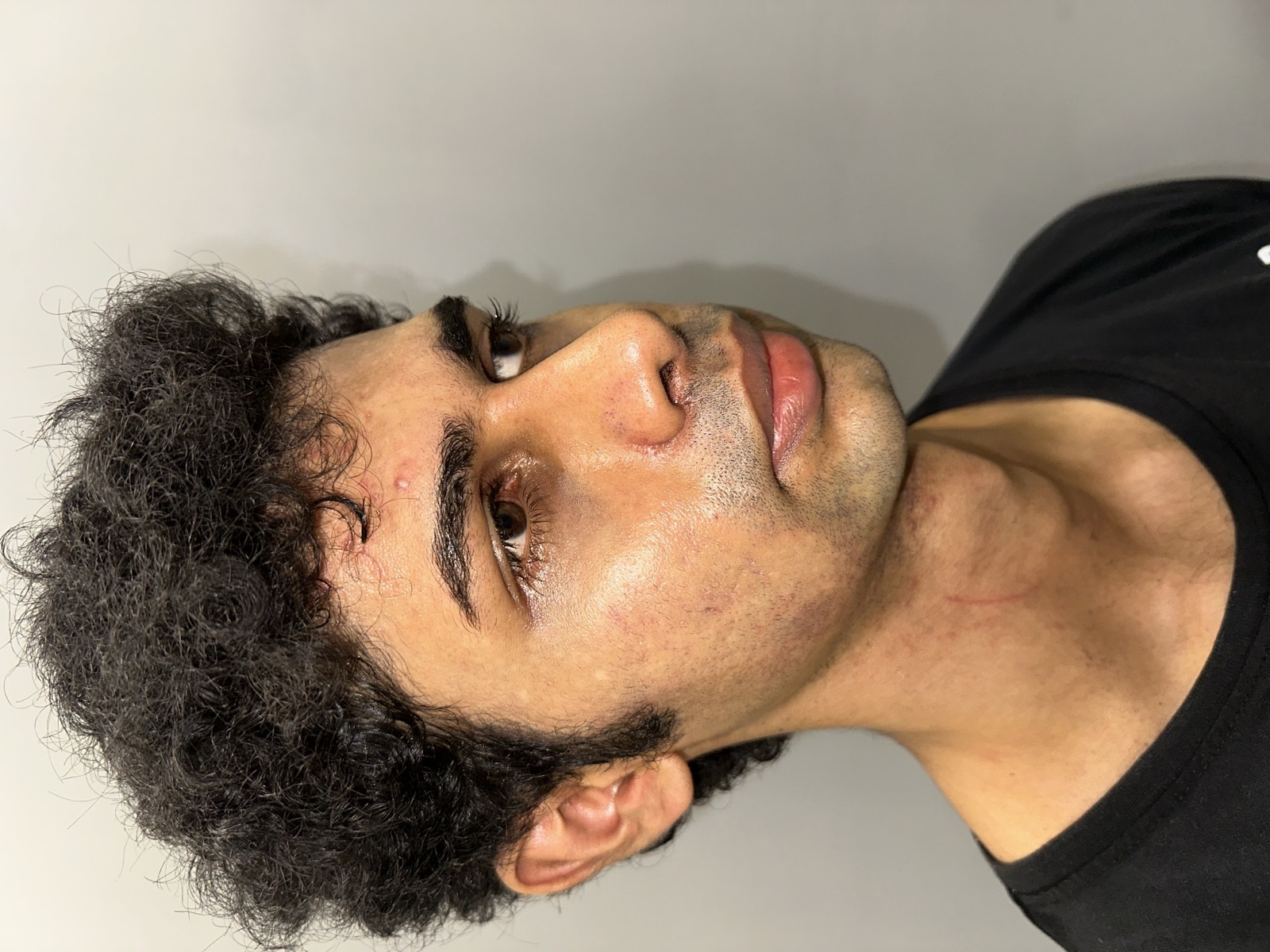 After
After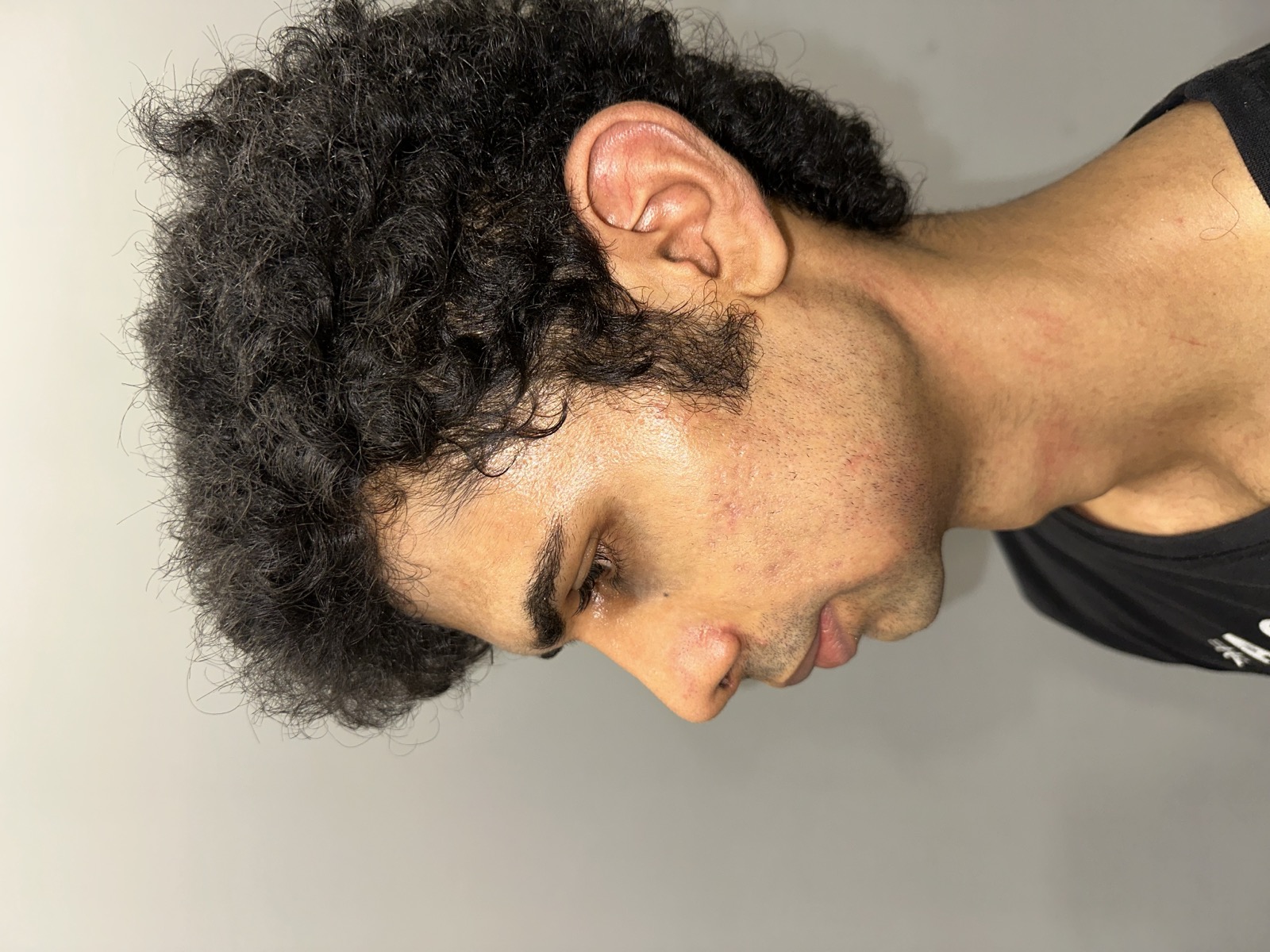 After
After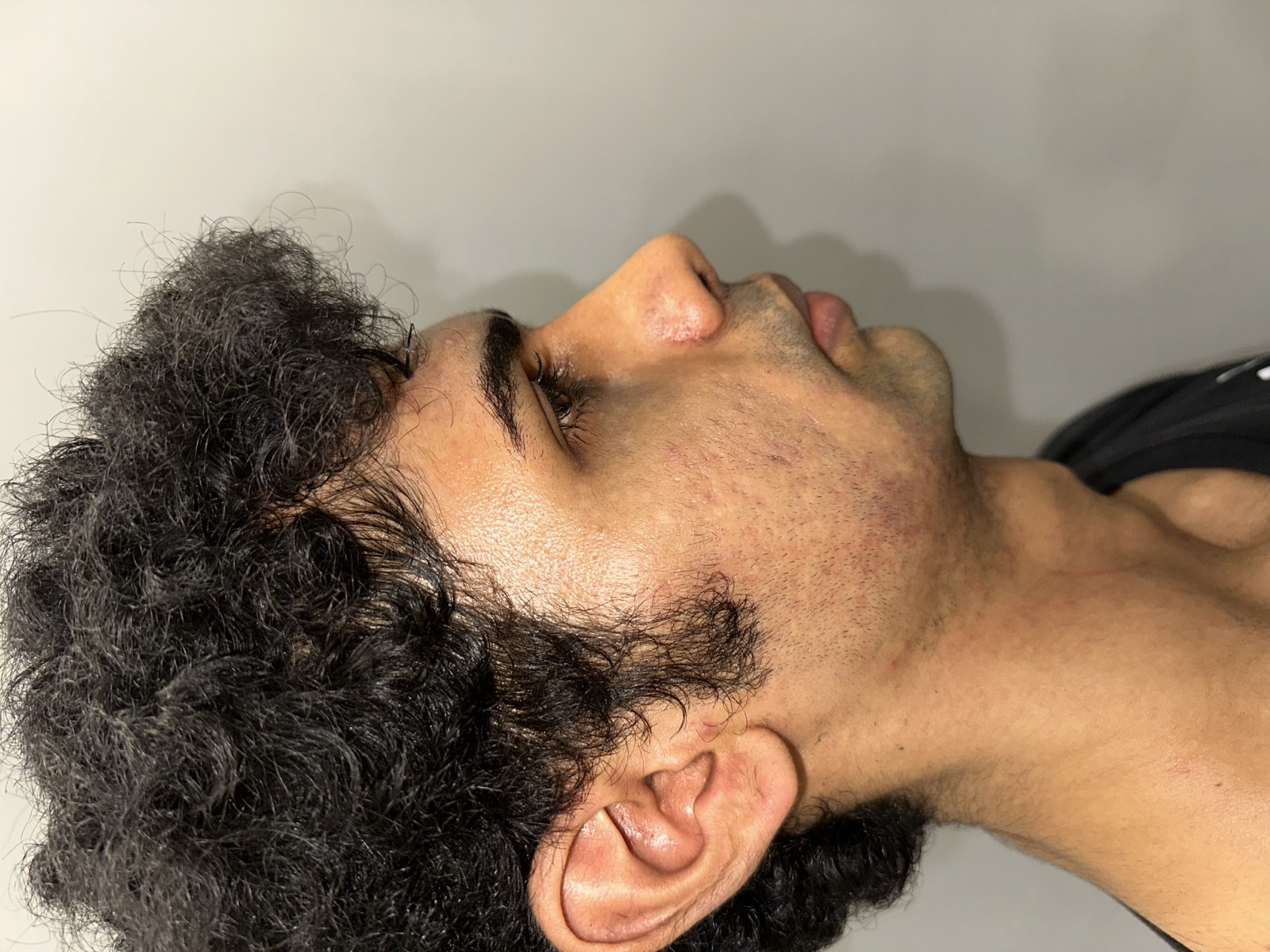 After
After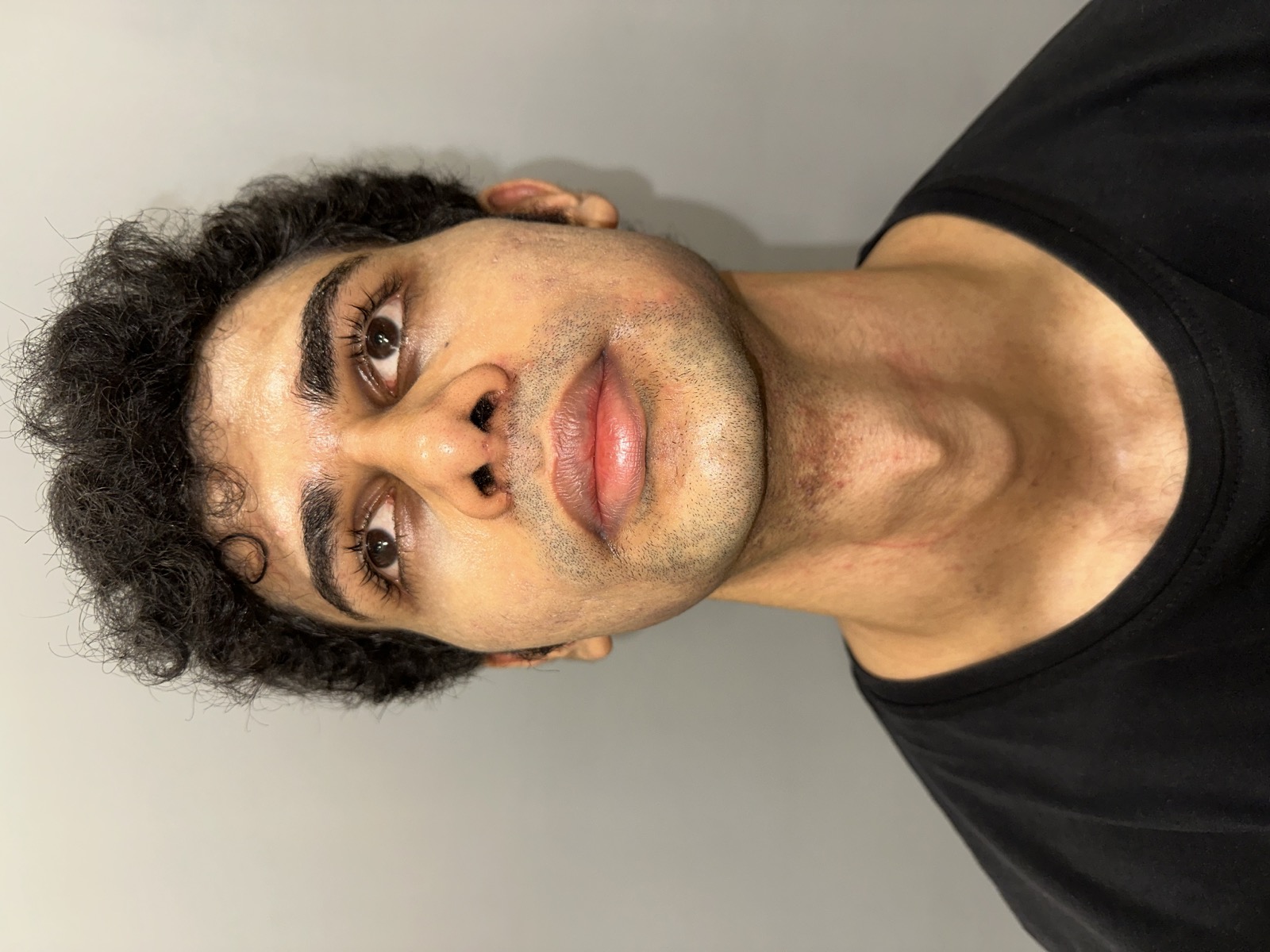 After
AfterPhotographs published with the patient's consent. Individual results vary depending on anatomy, the extent of correction required, and healing.
The breathing improvement was immediate. Saket noticed it as he came through the early post-operative period — a clarity of airflow that had simply not been there before. As the swelling settled over the following weeks, the improvement deepened. Recovery took approximately one month in total, with each day noticeably more comfortable than the last.
“The post result was so good that I’m able to breathe now as well as they tried to reshape my nose, which also brought back my confidence.”
In that single sentence, Saket captures what made this outcome significant: it wasn’t just a repaired septum. It was the alignment of a functional result and an aesthetic one — the nose working properly, and looking the way he had always visualised it. Physically, he was sleeping better and carrying far less fatigue into his days. Emotionally, the change showed up in practical places — he felt more confident meeting colleagues, more at ease in social settings, more like himself.
What He Carries Forward
Better sleep. Less fatigue. A face that matches the one he had always imagined. These are the things Saket gained by deciding, after years of quiet endurance, that both questions — the functional and the aesthetic — were worth asking out loud.
For anyone sitting on a similar hesitation — unsure whether it’s acceptable to want both the health fix and the aesthetic outcome — Saket’s story is a quiet reassurance that the two are not in conflict. The question he was afraid to raise turned out to be the most important one he asked.
“Now I’m feeling much better and looking much better compared to my past.”
That’s the whole of it, really. Not a dramatic reinvention — just a man who finally breathes freely, sleeps soundly, and sees in the mirror the version of himself he always had in mind.