


Overview
Saket had been living with a deviated septum and enlarged turbinates for four to five years, causing chronic breathing difficulty that disrupted his sleep and ability to focus at work. He consulted Dr. Anjali Saple at Divyam Cosmetic and Plastic Surgery for rhinoplasty, which corrected the structural nasal problems while also reshaping his nose to match how he had always envisioned it. The breathing improvement was immediate after surgery, and recovery took about a month, with each day feeling more comfortable than the last. The combined functional and aesthetic result gave Saket noticeably better sleep, less fatigue, and renewed confidence in social and professional settings.
Restored Confidence and Improved Daily Life
Following surgery, Saket reported feeling more confident meeting colleagues and socialising, and said the result matched how he had always visualised his nose. Better sleep and noticeably less fatigue were the most significant day-to-day improvements.
“The post result was so good that I’m able to breathe now as well as they tried to reshape my nose, which also brought back my confidence.”
Choosing Dr. Anjali Saple
Saket chose Dr. Anjali Saple through a combination of online research and a referral from another doctor. His key concern before surgery was how his nose would look externally — specifically whether there would be visible scarring and whether the result would be noticeably sharper.
“Now I’m feeling much better and looking much better compared to my past.”
Rhinoplasty: Combined Functional and Aesthetic Correction
The surgery addressed both the deviated septum and enlarged turbinates to restore airflow, while simultaneously reshaping the nose for a sharper aesthetic result. This dual outcome aligned with Saket’s functional and cosmetic goals. Dr. Saple’s approach at Divyam Cosmetic and Plastic Surgery emphasises exactly this kind of combined correction — resolving the underlying structural issue without compromising the external result.
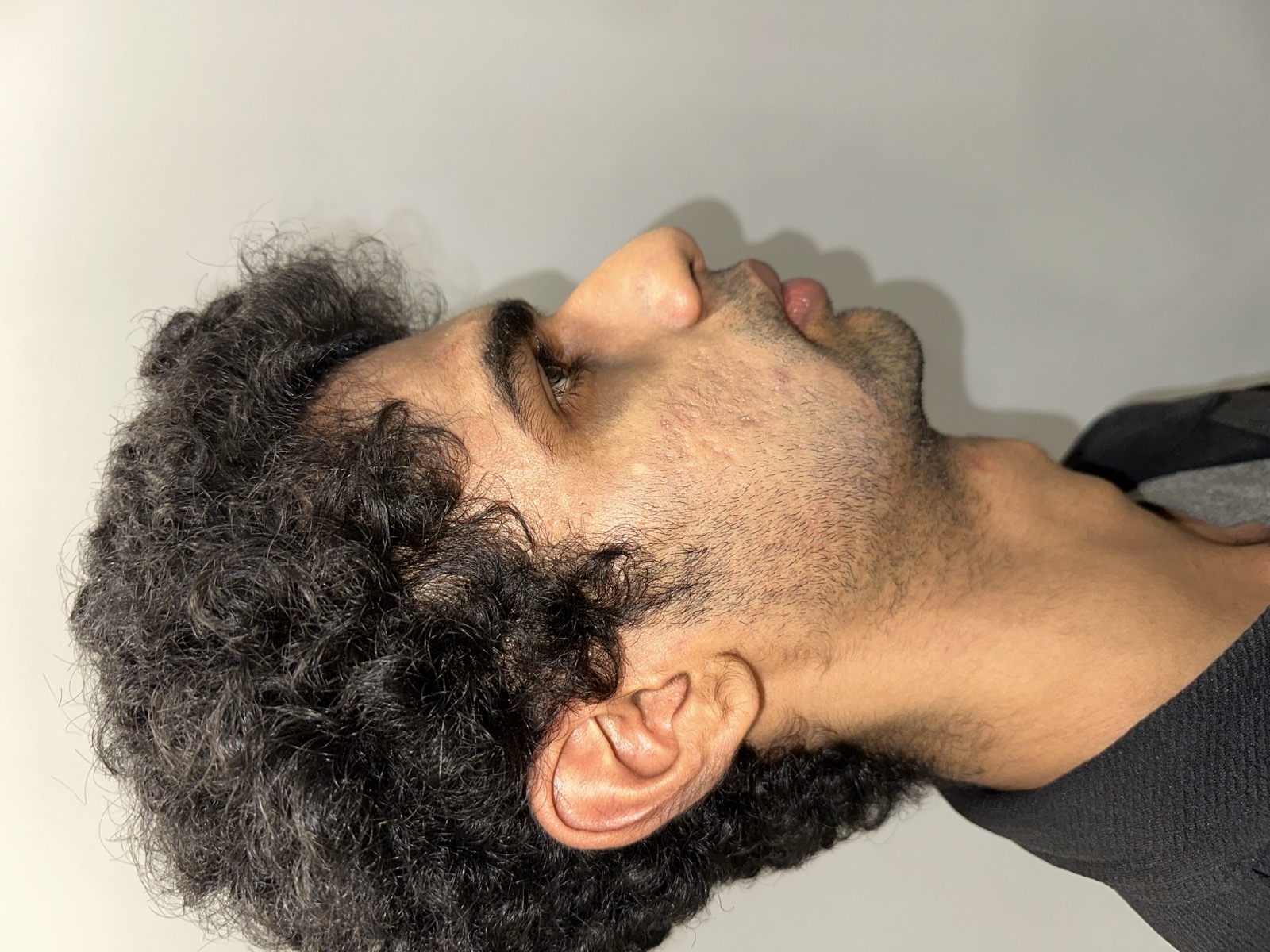
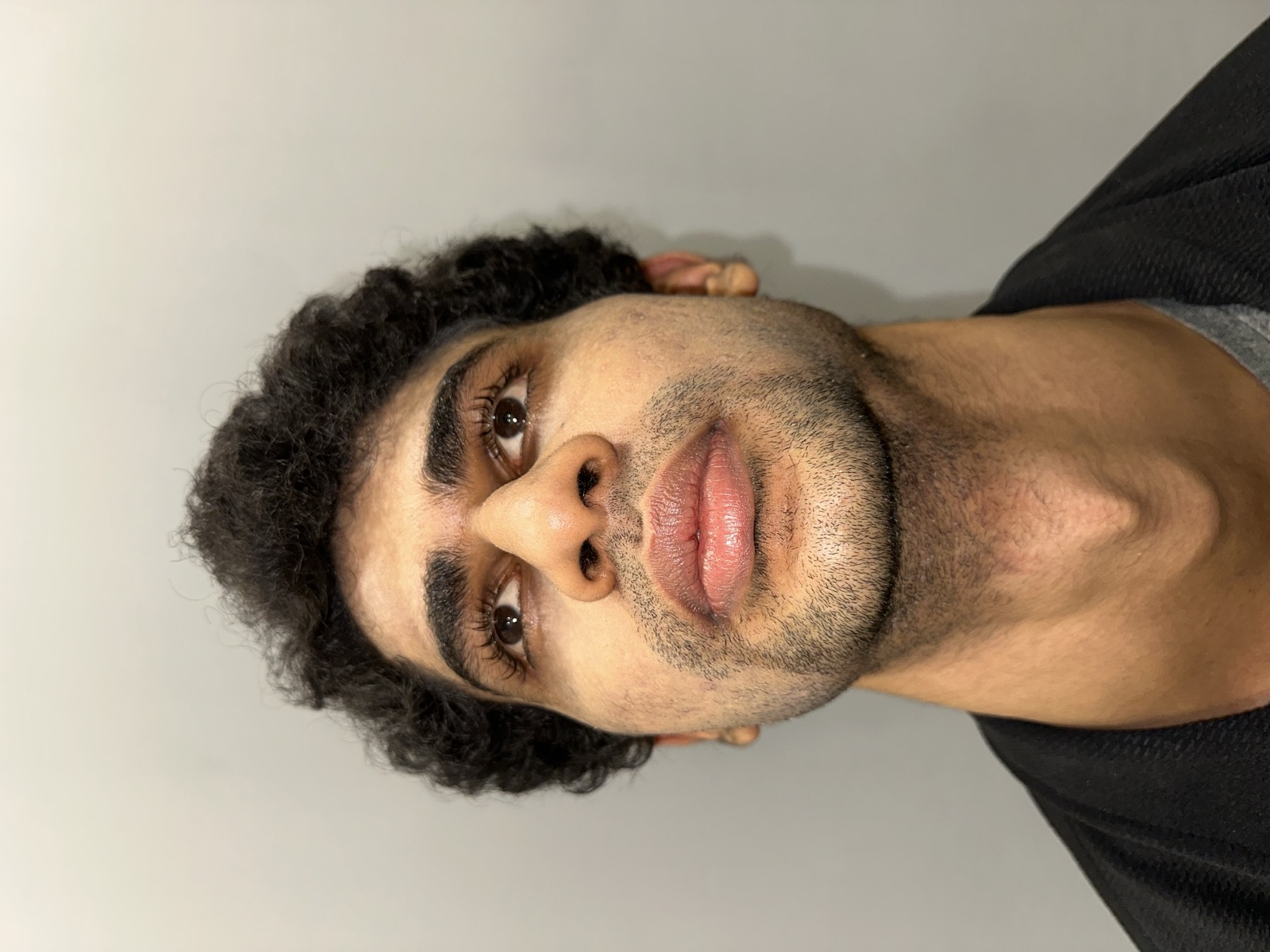
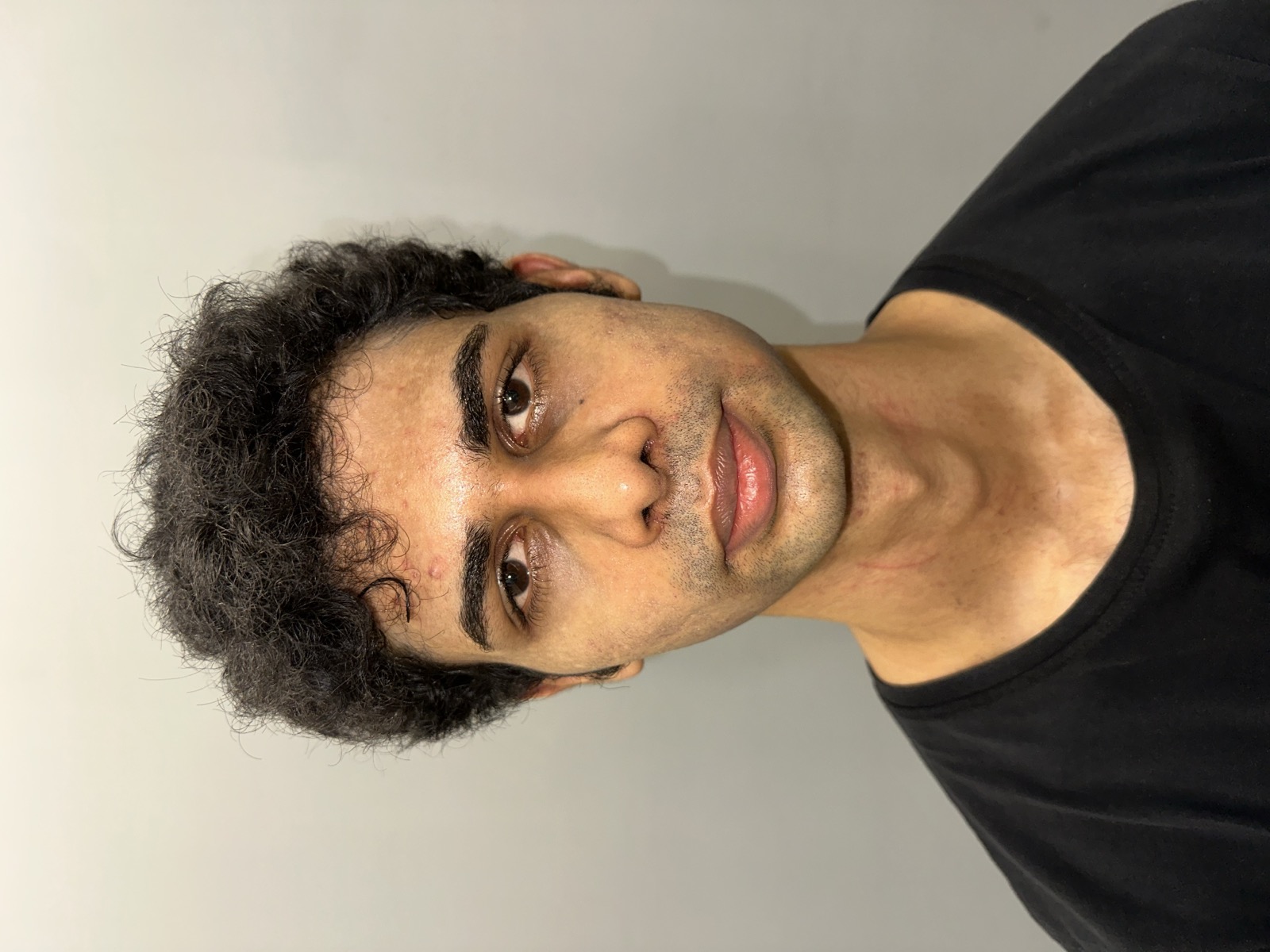
Rhinoplasty — Before & After
Saket's nose before surgery and after recovery — reshaped in the same operation that corrected his deviated septum and enlarged turbinates.
Before
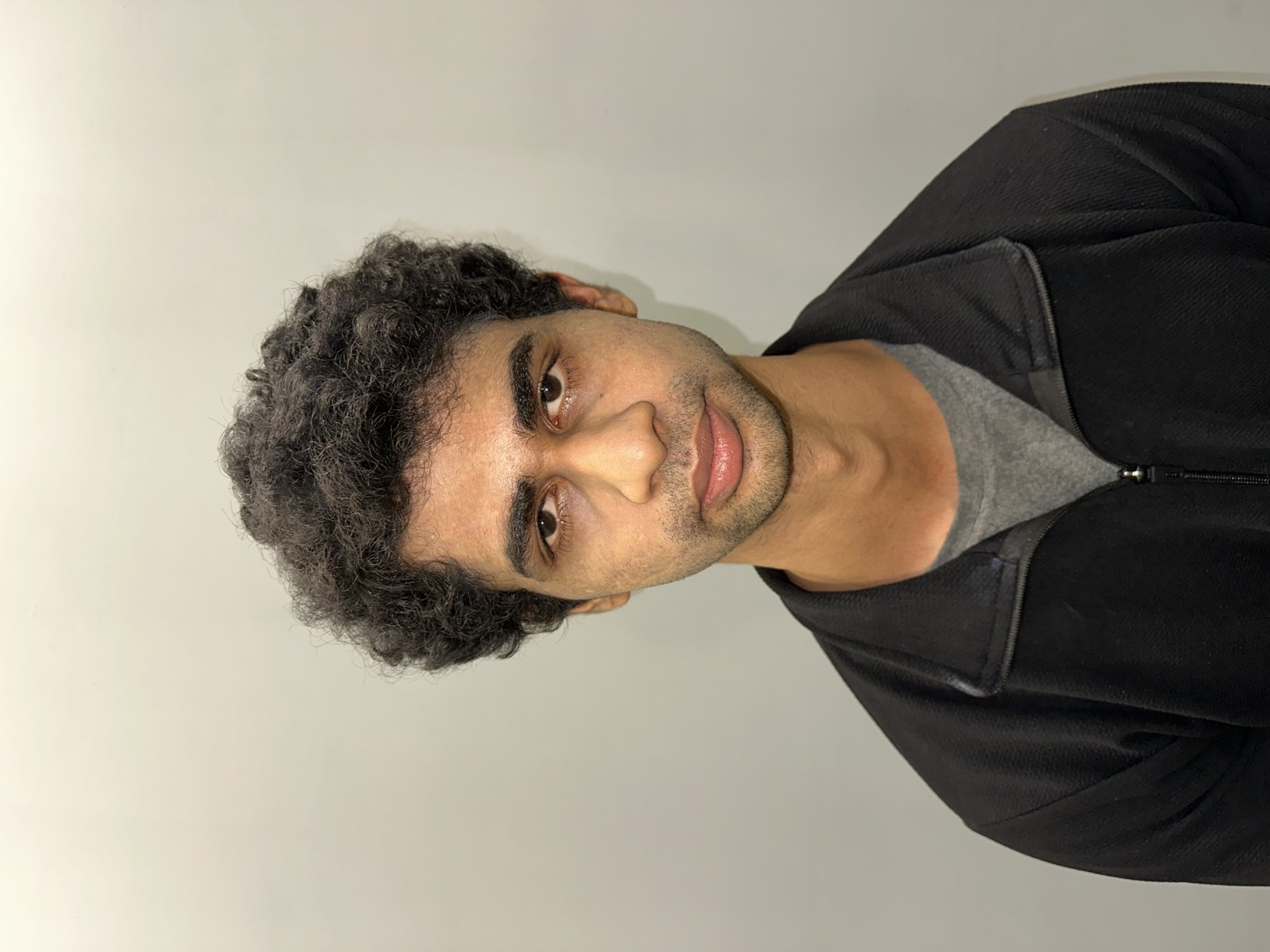 Before
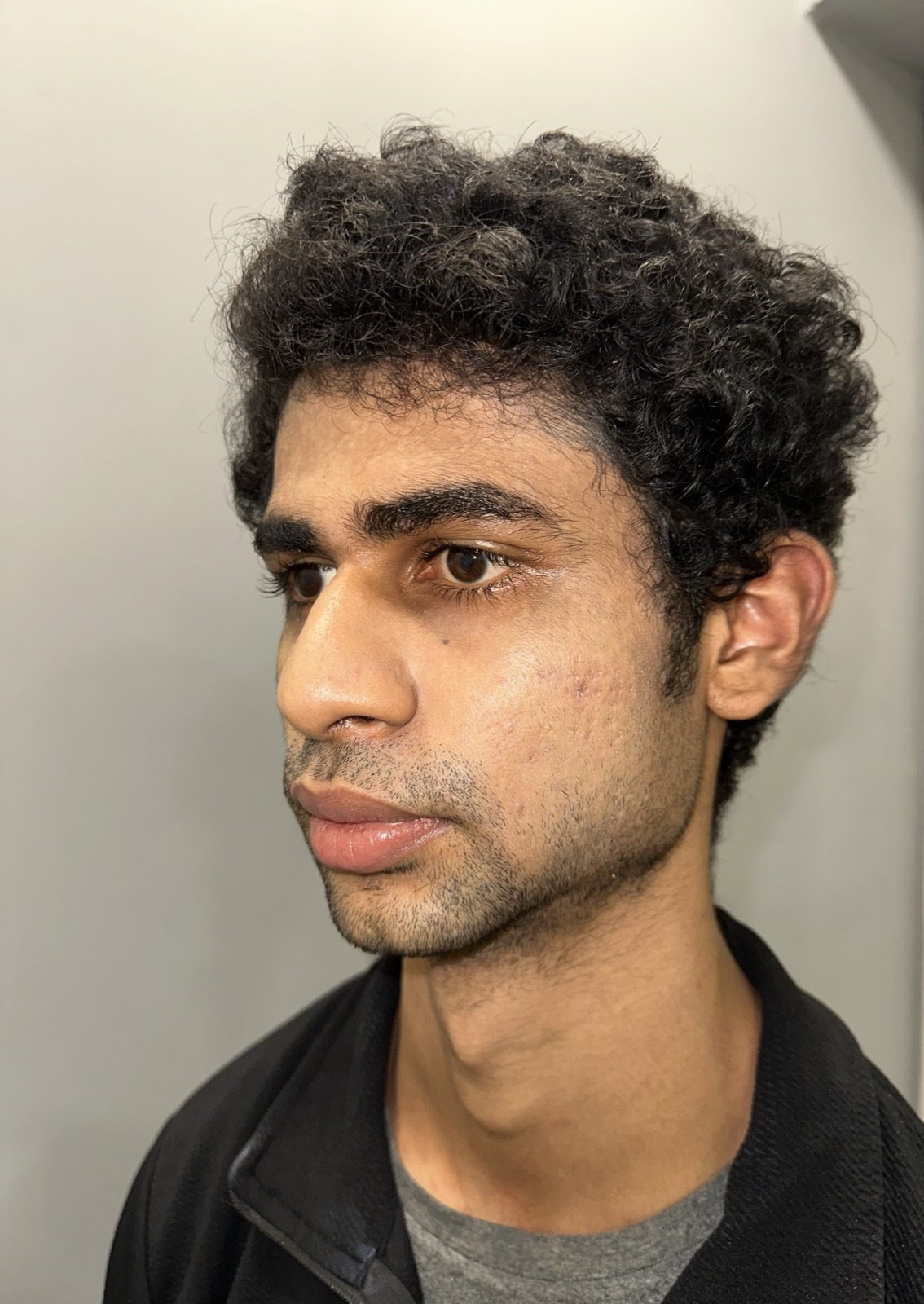 Before
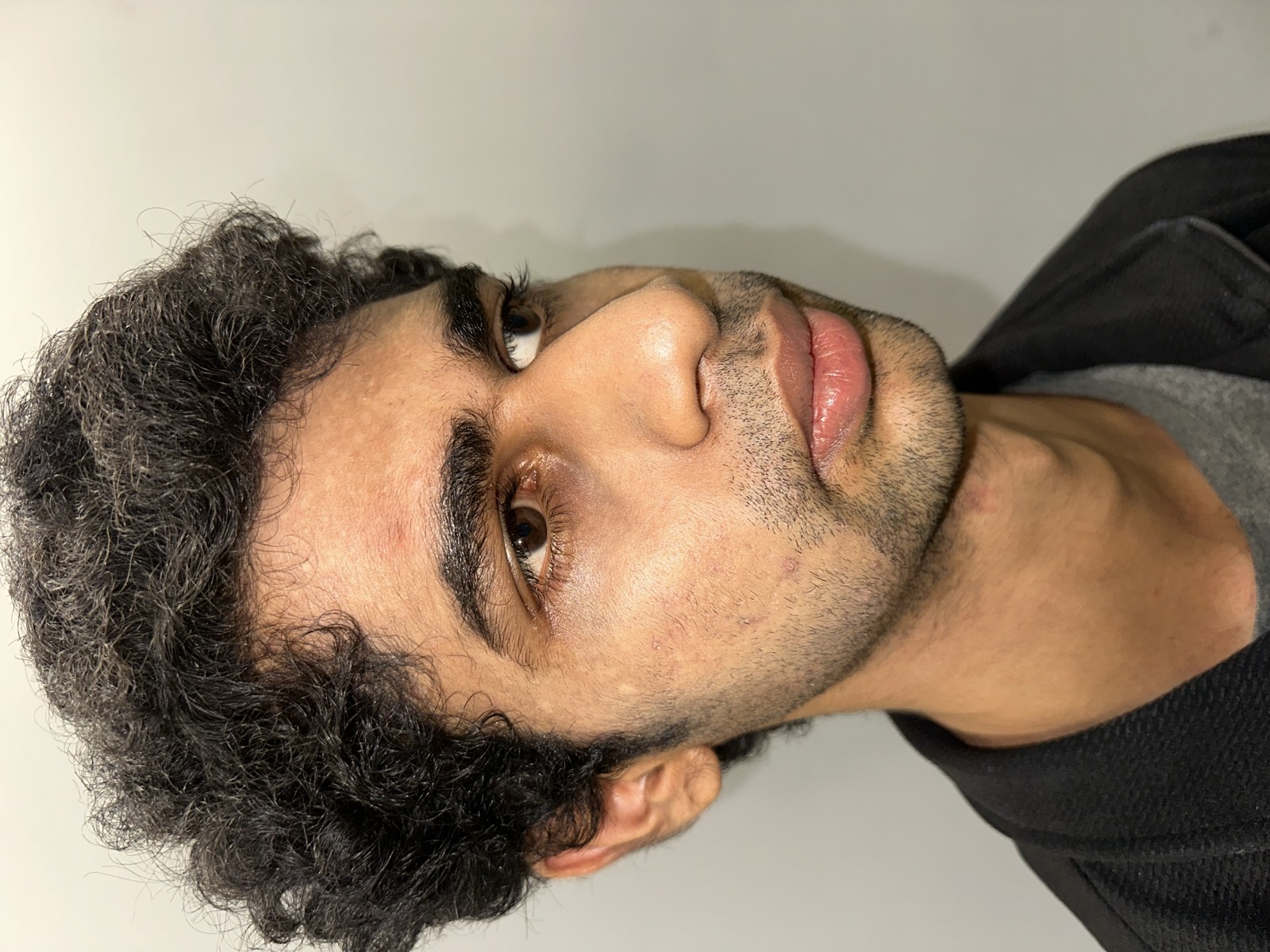 Before
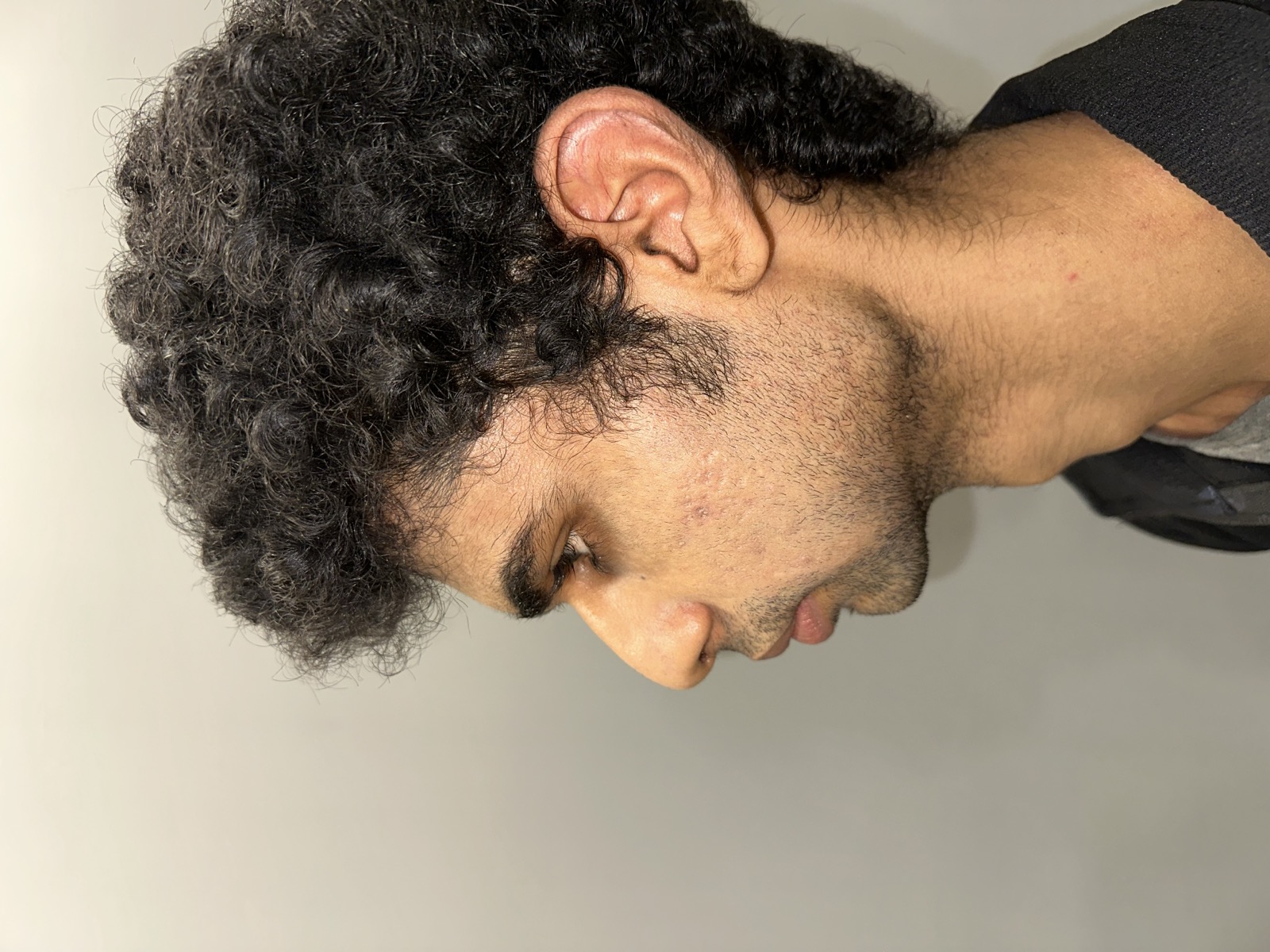 Before
 Before
 Before
After
 After
After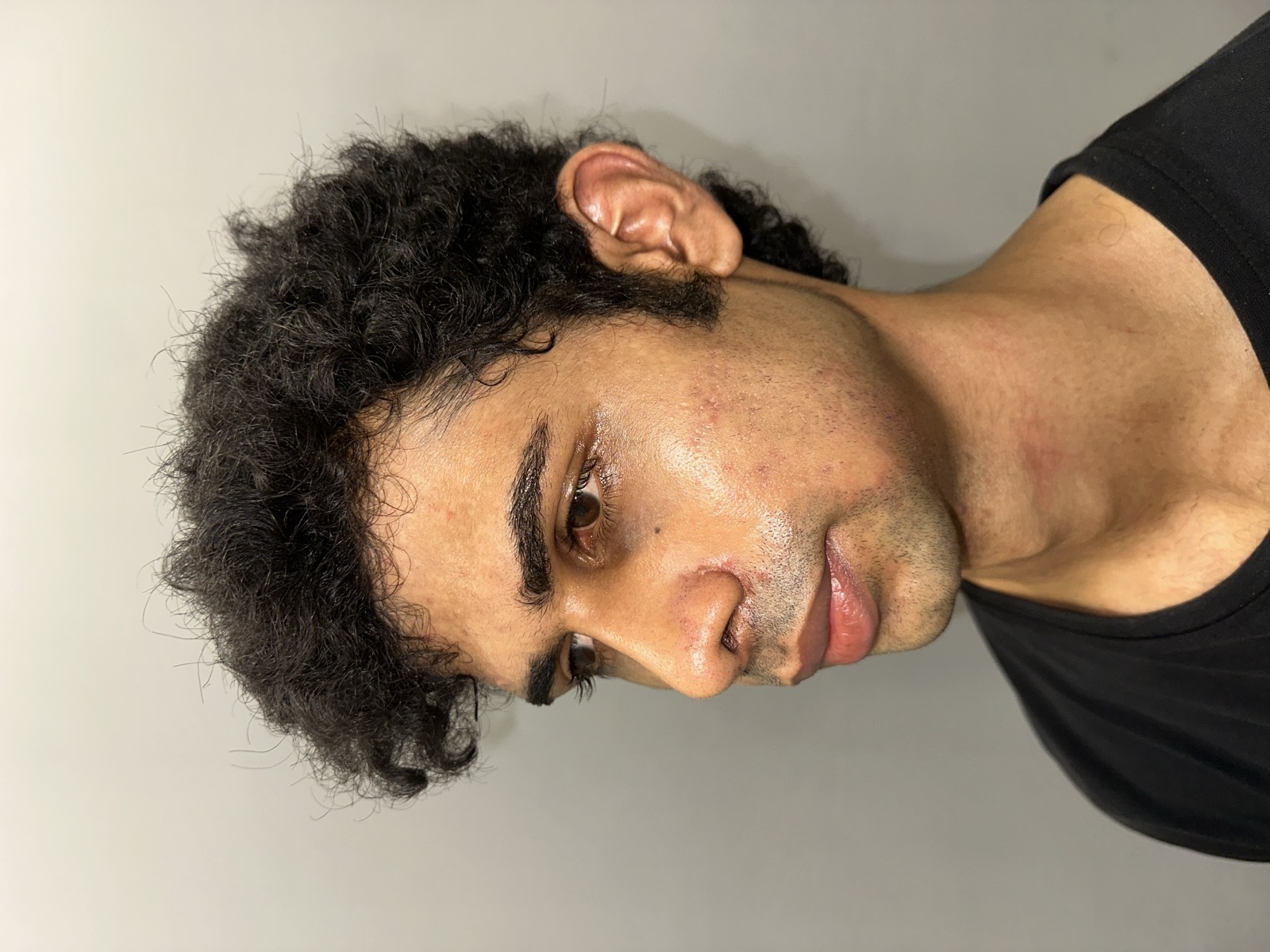 After
After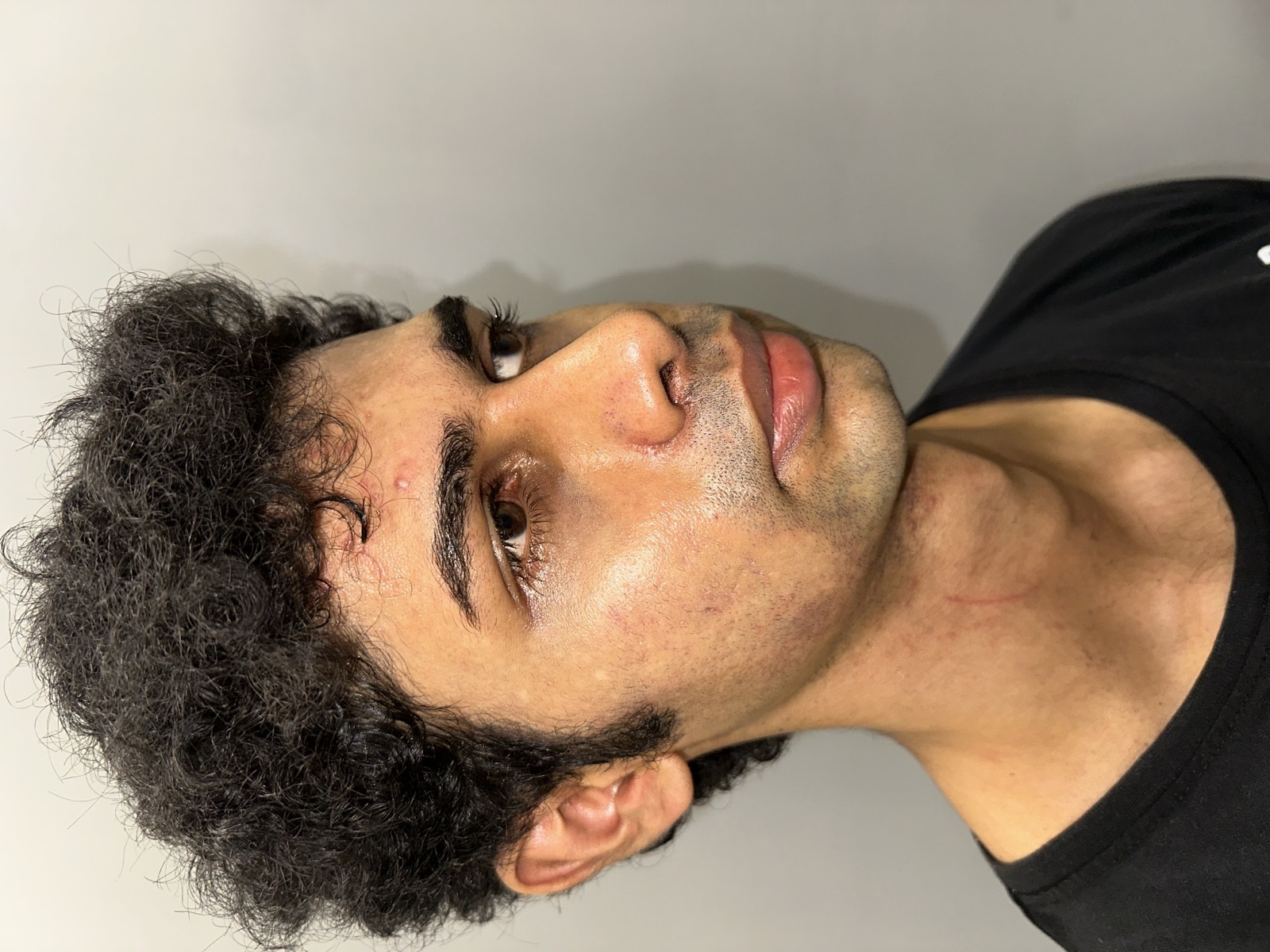 After
After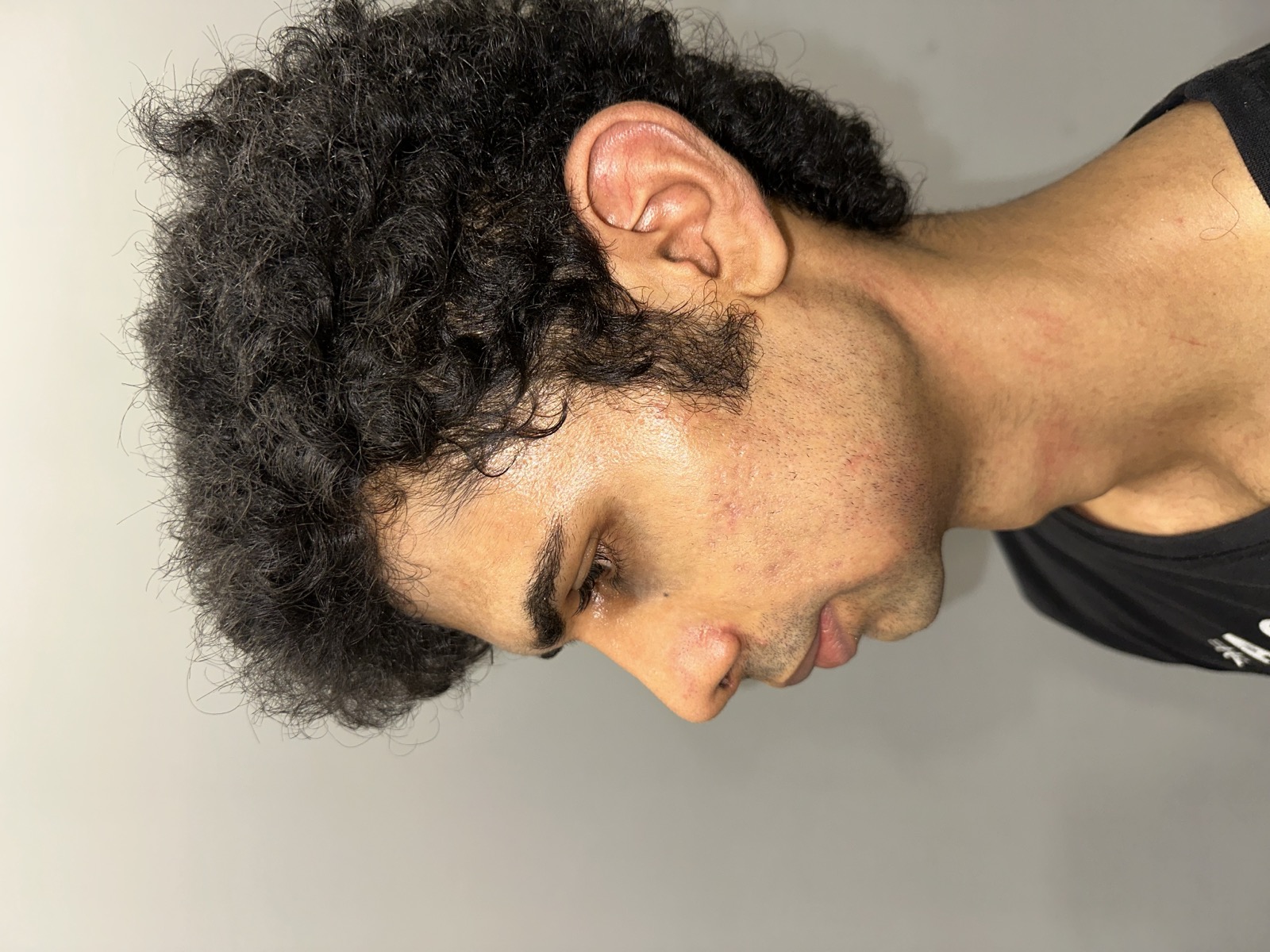 After
After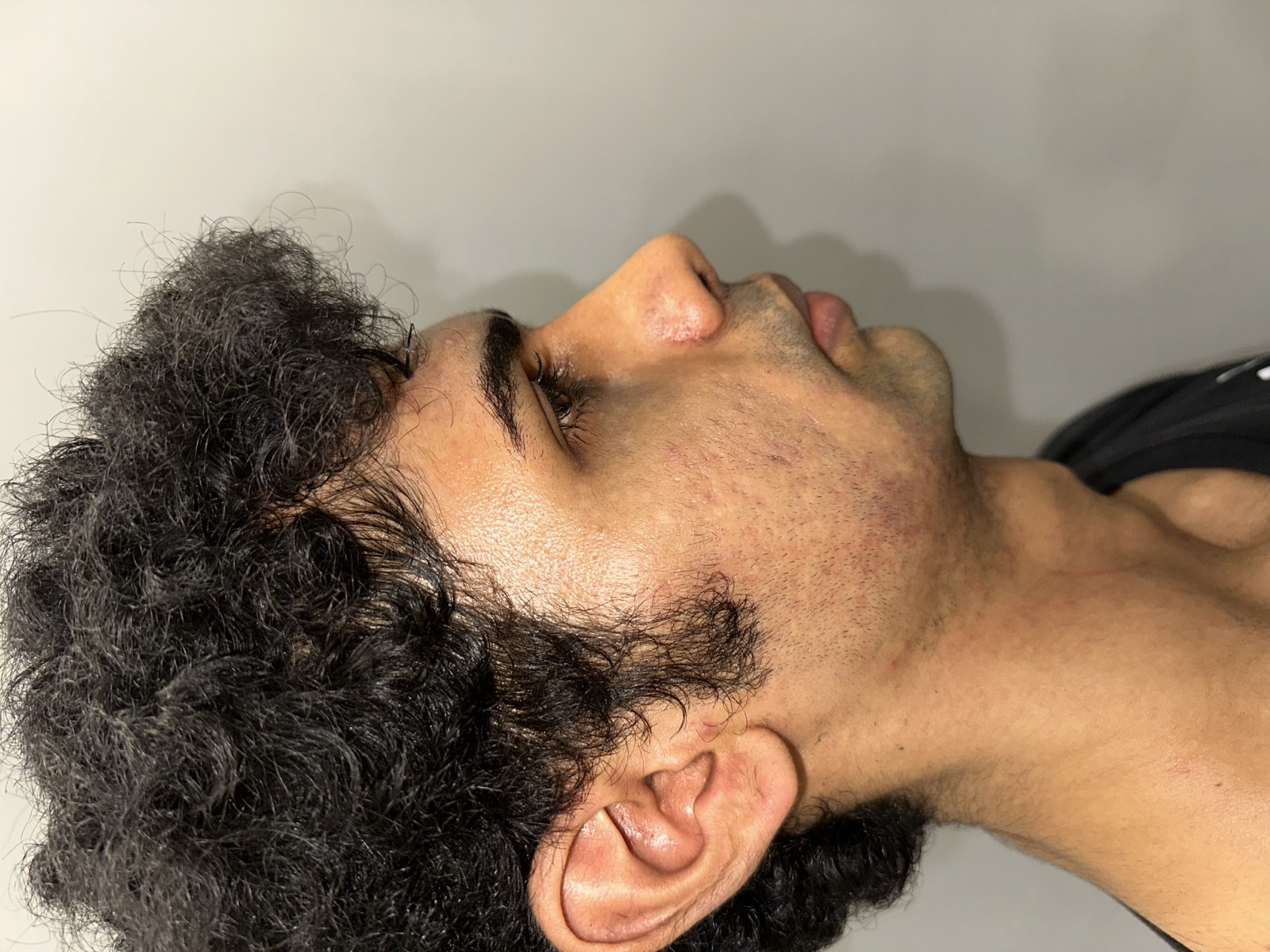 After
After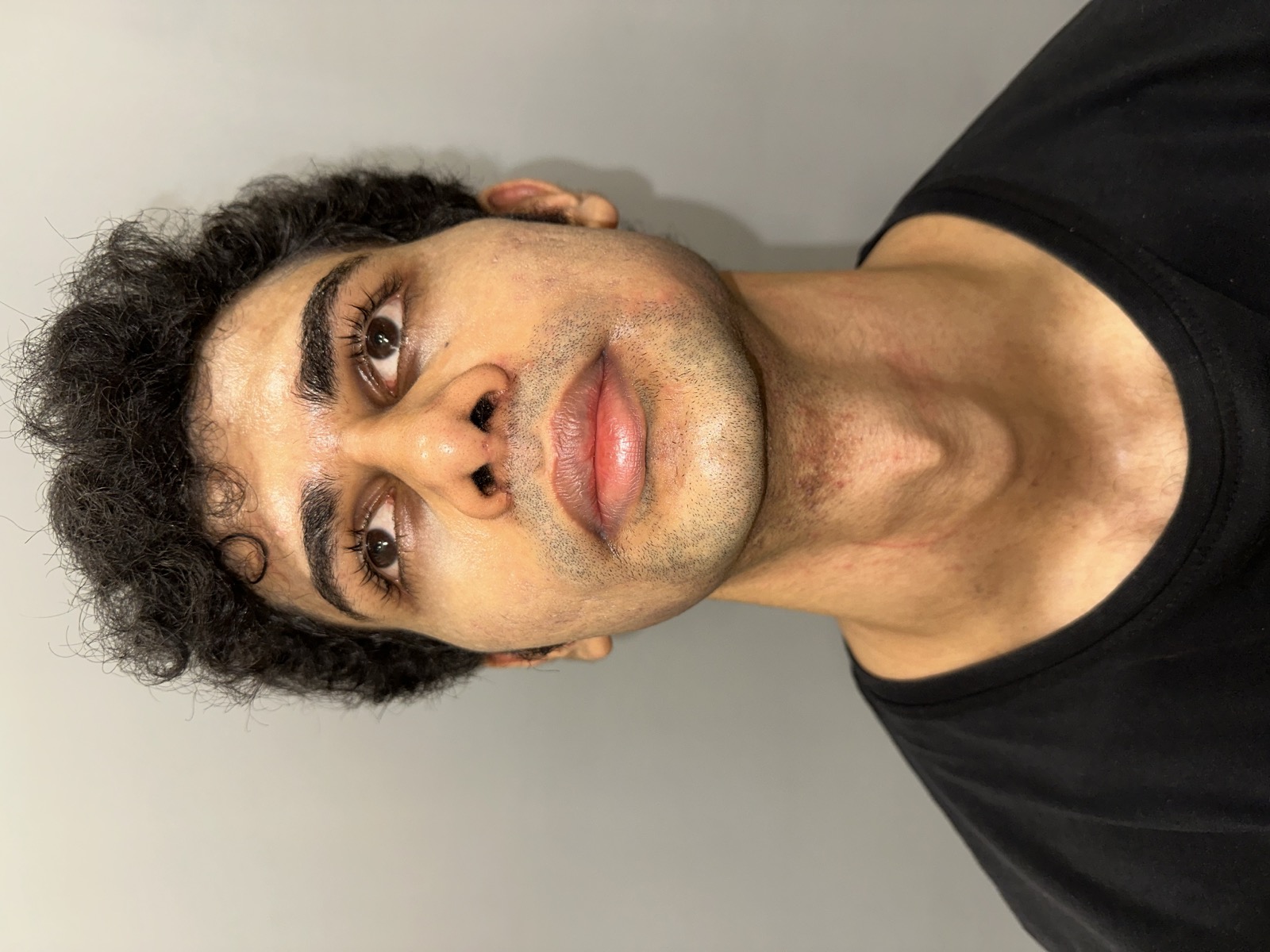 After
AfterPhotographs published with the patient's consent. Individual results vary depending on anatomy, the extent of correction required, and healing.
Saket’s specific concern before surgery was whether the correction would leave visible scarring, and whether the change would read as genuinely sharper rather than merely different. The profile and three-quarter views are where that answer is clearest — the dorsum and tip carry most of the visible change, while the front view shows the midline he had lived with for years.
Immediate Breathing Relief and Gradual Recovery
Saket noticed an improvement in breathing immediately after surgery, which continued to improve as post-operative swelling settled. Recovery took approximately one month, with comfort increasing each day.
“My health also improved so much.”
The Numbers Behind His Journey
| Metric | Detail |
|---|---|
| Duration of pre-surgery breathing difficulty | 4 to 5 years |
| Underlying conditions | Deviated septum and enlarged turbinates |
| Recovery duration | Approximately 1 month |
| Onset of breathing improvement | Immediate post-surgery, continuing to improve as swelling settled |
Functional Breathing Problem: Deviated Septum and Enlarged Turbinates
Saket had been unable to breathe properly for four to five years due to a deviated septum and enlarged turbinates. The obstruction most affected his sleep and his ability to concentrate at work.
Conditions & Treatment
Deviated septum: A misalignment of the nasal septum that obstructed Saket’s breathing for four to five years, affecting his sleep and ability to focus at work.
Enlarged turbinates: Hypertrophied turbinates that contributed to nasal airway obstruction alongside the deviated septum, compounding Saket’s breathing difficulty.
Rhinoplasty with septal correction: Surgical correction of a deviated septum to restore nasal airflow, performed as part of the rhinoplasty procedure.
Turbinate reduction: Reduction of enlarged turbinates to further open the nasal airway and resolve the breathing obstruction Saket had experienced for four to five years.
Aesthetic nasal reshaping: Reshaping of the external nose to achieve a sharper profile in line with Saket’s aesthetic goals, performed concurrently with the functional corrections.
Goals & Motivations
- Primary goal: To be able to breathe properly again and to achieve a sharper, more defined nose without visible scarring.
- What triggered action: Four to five years of impaired breathing that was disrupting his sleep and ability to concentrate at work.
- Why this practice: A combination of online research and a referral from another doctor led him to Dr. Anjali Saple at Divyam Cosmetic and Plastic Surgery.
The Journey
- Living with the condition: Saket experienced impaired breathing due to a deviated septum and enlarged turbinates for four to five years, with sleep and workplace focus most affected.
- Finding the practice: Saket conducted online research and received a referral from another doctor, which together led him to consult Dr. Anjali Saple at Divyam Cosmetic and Plastic Surgery.
- Pre-surgery consultation and concerns: Saket’s main concerns were the external appearance of his nose post-surgery, the possibility of visible scarring, and achieving a noticeably sharper result.
- Surgery: Rhinoplasty was performed, correcting the deviated septum, reducing the enlarged turbinates, and reshaping the nose aesthetically.
- Immediate post-operative period: Breathing improvement was felt immediately after surgery. Recovery progressed over approximately one month, with each day more comfortable than the last.
- Life after surgery: Saket now sleeps better, experiences less fatigue, breathes freely, and feels more confident meeting colleagues and socialising. The aesthetic result matched how he had always visualised his nose.
Results
- Physical: Immediate improvement in breathing, which continued to get better as swelling resolved. Better sleep and noticeably less fatigue. The nose was reshaped to a sharper aesthetic profile matching his visualisation.
- Emotional: Restored confidence in professional settings and socially, feeling and looking much better compared to before surgery.
- Timeline: Breathing improvement was felt immediately after surgery. Full recovery took approximately one month, with comfort increasing each day.
Key Takeaways
- Rhinoplasty can address both breathing function and appearance in a single procedure. — Patients who have both functional and aesthetic concerns do not need to choose between them — a combined approach can resolve both simultaneously.
- A deviated septum and enlarged turbinates together can cause years of disrupted sleep and reduced focus. — Understanding that structural nasal issues have measurable effects on daily functioning helps patients recognise when it is time to seek surgical correction.
- Breathing improvement can be felt immediately after rhinoplasty and continues to improve as swelling resolves. — Patients can expect early functional relief rather than having to wait until full recovery to notice a difference.
- Concerns about visible scarring and post-operative appearance are common and worth discussing with the surgeon before committing to the procedure. — Addressing aesthetic worries during consultation helps set realistic expectations and reduces pre-surgical anxiety.
- Recovery from rhinoplasty took approximately one month, with comfort improving progressively each day. — A clear recovery timeline helps prospective patients plan and manage expectations around returning to normal life.